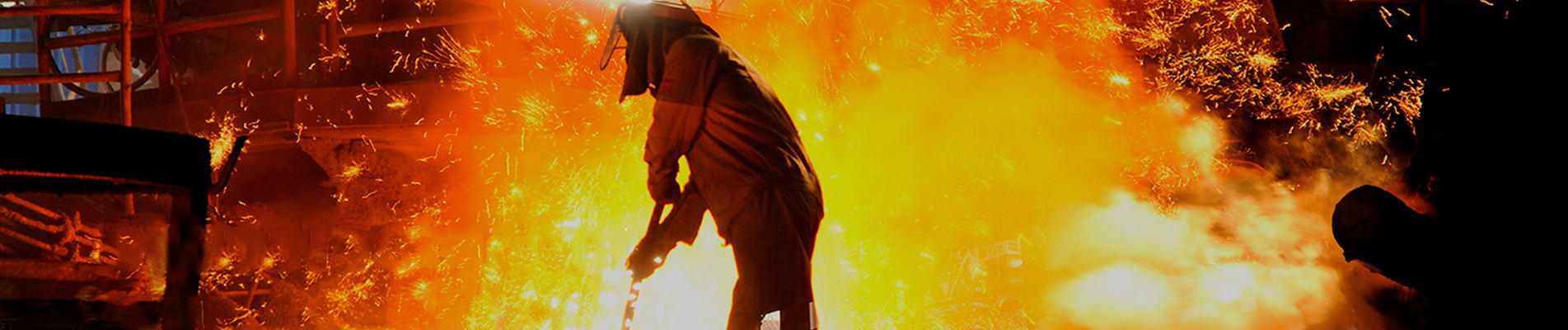
Memilih selimut las untuk panas ekstrem bukanlah sekadar memilih bahan dengan angka suhu tertinggi.
Selimut yang ditempatkan di bawah operasi pengelasan menghadapi beban panas yang berbeda dari selimut yang digantung secara vertikal di samping stasiun pemotongan. Penutup pelindung yang terpapar panas radiasi berperilaku berbeda dari selimut yang menerima percikan las terkonsentrasi. Ketebalan, fluks panas, waktu paparan, orientasi selimut, dan penanganan mekanis dapat sama pentingnya dengan jenis serat itu sendiri.
Dua bahan yang sering dipertimbangkan untuk perlindungan kerja panas yang menuntut adalah serat karbon dan kain silika.
BSTFLEX memproduksi keduanya Selimut Las Serat Karbon dan Selimut Las Kain Silika, sehingga bahan dapat dipilih berdasarkan bahaya panas yang sebenarnya, bukan menggunakan satu konstruksi selimut untuk setiap aplikasi.
Jadi mana yang lebih baik untuk panas ekstrem?
Jawabannya bergantung pada jenis panas yang harus dikelola oleh selimut.
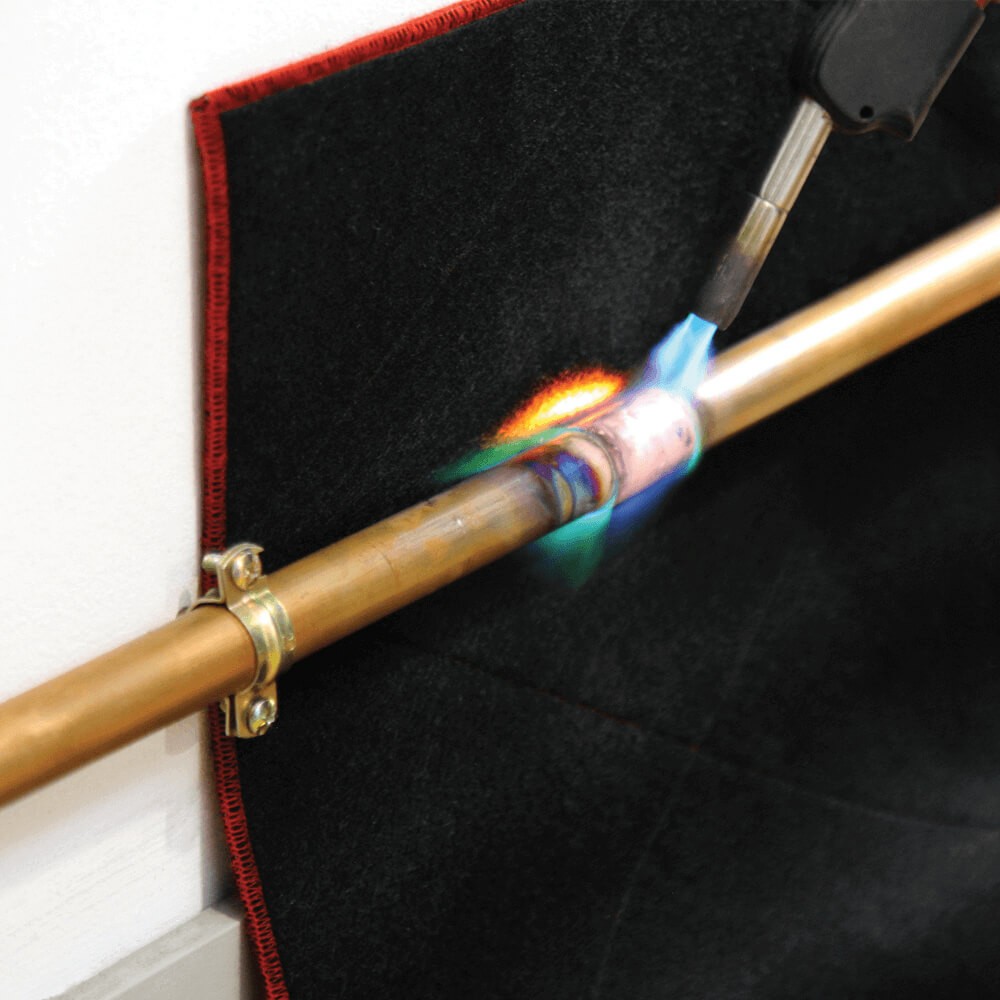
Perbedaan paling penting antara bahan-bahan ini dimulai dari strukturnya.
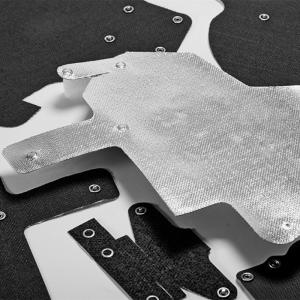
Sebuah selimut las serat karbonmenggunakan jaringan serat yang lembut dan berpori. Alih-alih membentuk kain tenun konvensional, serat-serat tersebut menciptakan struktur felt berdensitas rendah yang mengandung banyak ruang udara mikroskopis.
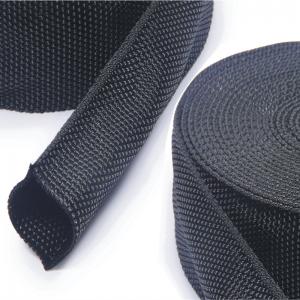
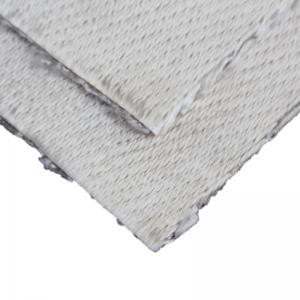
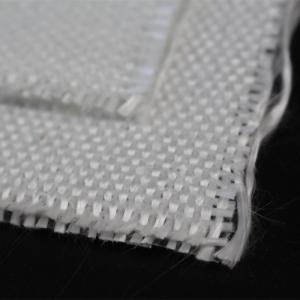
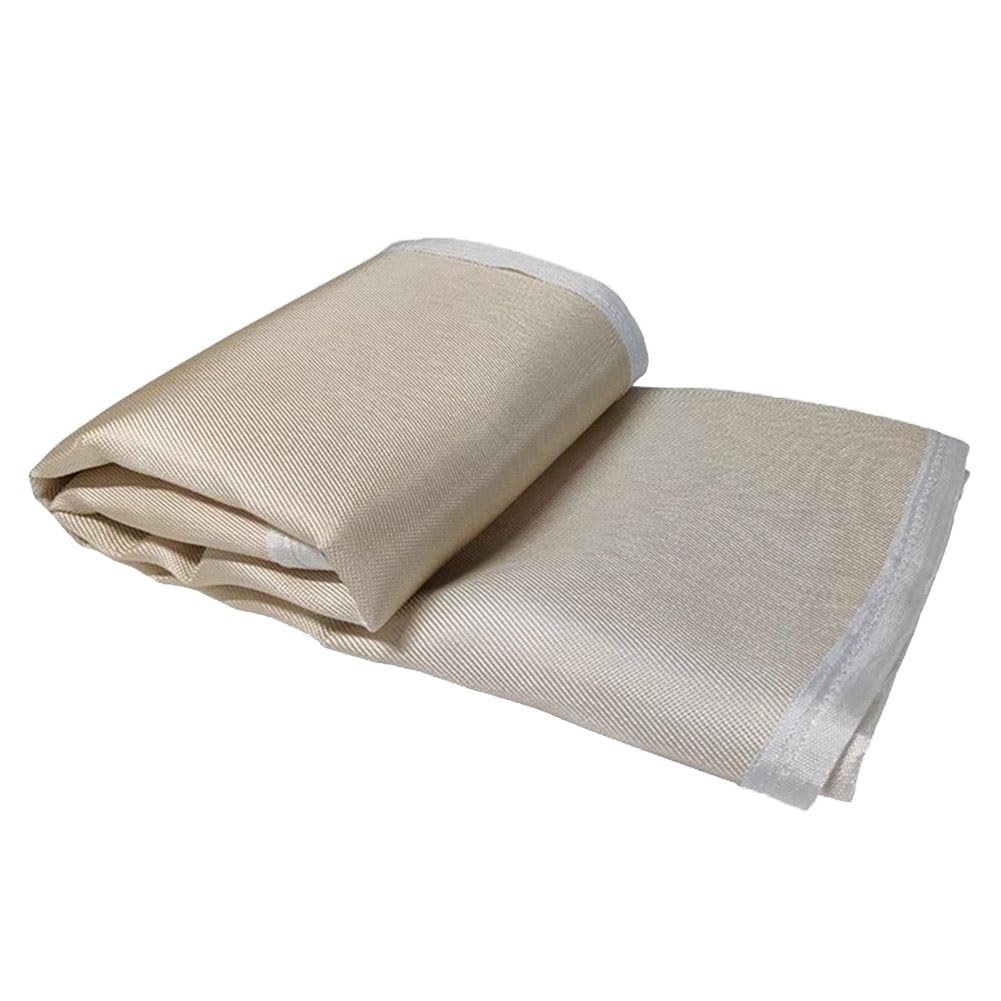
Sebuah selimut las silika, sebagai perbandingan, biasanya dibuat dari benang silika tenunan. Konstruksi benang yang saling terjalin menciptakan permukaan tekstil yang relatif padat dengan stabilitas dimensi yang baik.
Perbedaan struktur ini mengubah cara kedua bahan tersebut berperilaku dalam penggunaan industri nyata.
Serat karbon sangat berguna ketika tujuannya adalah menciptakan lapisan insulasi ringan di sekitar komponen atau di antara sumber panas dan permukaan yang sensitif terhadap panas.
Kain silika menjadi sangat menarik ketika selimut harus menggabungkan ketahanan suhu tinggi dengan karakteristik mekanis yang diharapkan dari tekstil industri tenunan.
Perbedaan tersebut lebih berguna bagi seorang insinyur daripada sekadar menanyakan bahan mana yang memiliki suhu maksimum lebih tinggi.
| Faktor Pemilihan | Selimut Las Serat Karbon | Selimut Las Silika |
|---|---|---|
| Konstruksi dasar | Felt serat terkarbonisasi non-tenunan | Tekstil silika tenunan |
| Insulasi termal | Sangat baik | Sangat baik |
| Kemampuan mengikuti bentuk | Sangat baik | Baik |
| Struktur permukaan | Lembut dan berpori | Ditenun dan relatif padat |
| Berat | Biasanya ringan | Bergantung pada berat kain dan konstruksi |
| Penanganan di sekitar bagian yang tidak beraturan | Sangat baik | Baik |
| Perlindungan terhadap percikan dan pengelasan | Sesuai | Sesuai |
| Penanganan mekanis berulang | Bergantung pada aplikasi | Struktur tenunan dapat memberikan keuntungan |
| Aplikasi panas ekstrem | Sangat baik jika ditentukan dengan benar | Sangat baik jika ditentukan dengan benar |
| Dasar pemilihan terbaik | Insulasi dan kemampuan menyesuaikan bentuk | Ketahanan panas ditambah daya tahan tekstil |
Oleh karena itu, tidak ada pemenang yang bersifat universal.
Material yang tepat bergantung pada cara panas mencapai selimut dan apa yang terjadi pada selimut selama penggunaan.
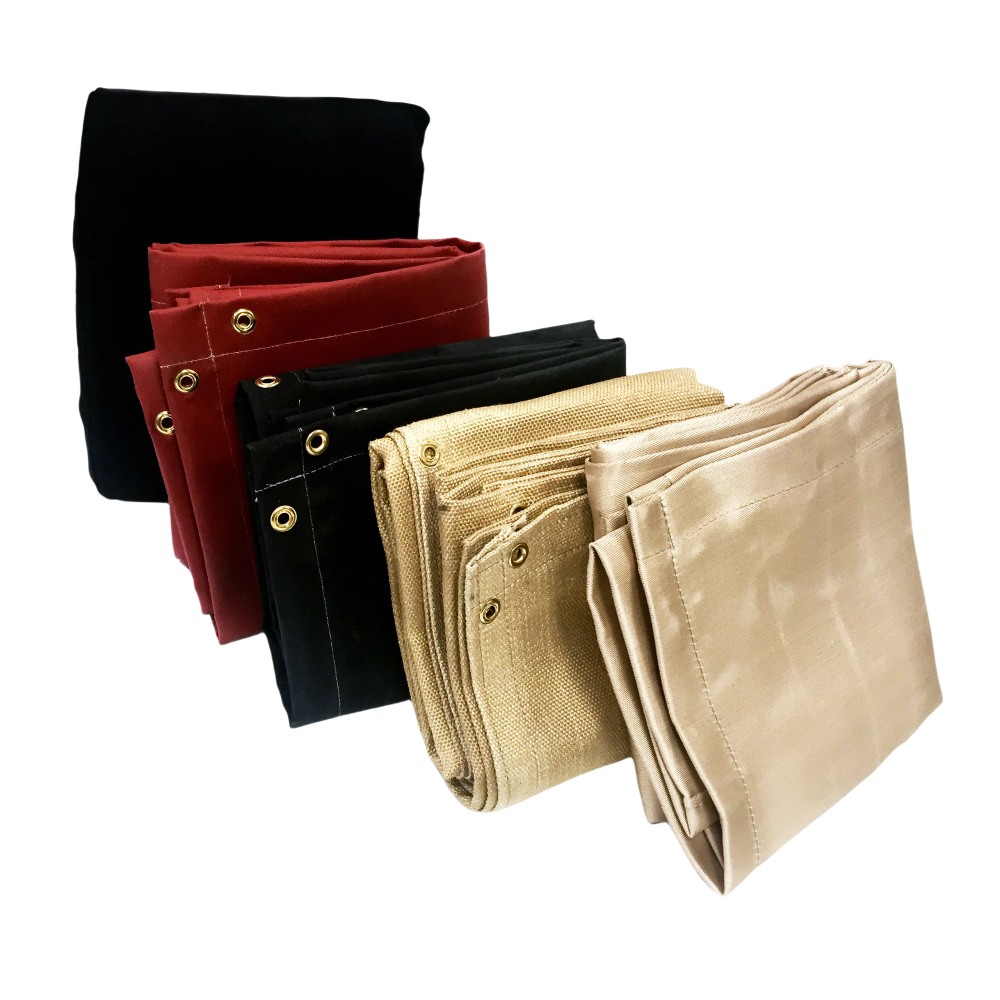
Sebuah selimut las kain felt karbon menjadi sangat berguna ketika insulasi termal dan fleksibilitas menjadi prioritas.
Struktur serat kain felt ini dapat menyesuaikan dengan erat pada pipa, mesin, rakitan fabrikasi, dan geometri tidak beraturan lainnya, di mana material tenunan yang relatif kaku mungkin tidak dapat menyesuaikan secara alami.
Pertimbangkan pengelasan pemeliharaan yang dilakukan di samping:
kabel listrik
selang hidraulik
mesin yang dicat
rakitan elektronik
permukaan logam yang sudah jadi
komponen polimer
komponen kendaraan
Tujuannya mungkin bukan untuk menangkap sejumlah besar logam cair. Sebaliknya, teknisi mungkin terutama perlu mengurangi jumlah panas yang mencapai komponen yang dilindungi.
Di sinilah sifat insulatif dari kain felt karbon menjadi sangat berharga.
Pengelasan industri tidak selalu dilakukan di atas lantai bengkel yang datar.
Tim pemeliharaan sering bekerja di sekitar:
sistem pembuangan
sambungan pipa
katup
rangka mesin
rakitan kendaraan
sambungan struktural
kompartemen peralatan yang sempit
Selimut kain felt serat karbon yang fleksibel dapat mengikuti bentuk-bentuk ini dan menciptakan penghalang termal yang dekat dengan komponen yang dilindungi.
Selimut pelindung besar dapat menjadi sulit untuk diposisikan, dilepas, dan diposisikan ulang selama pemeliharaan.
Felt karbon menawarkan kombinasi menarik antara massa rendah dan isolasi termal, terutama ketika personel berulang kali memindahkan material pelindung di sekitar area kerja.
BSTFLEXSelimut Pengelasan Felt Serat Karbon ditujukan untuk perlindungan kerja panas yang menuntut dan memiliki spesifikasi hingga 1800°F / 980°C.
Kain silika menangani masalah ini dengan cara yang berbeda.
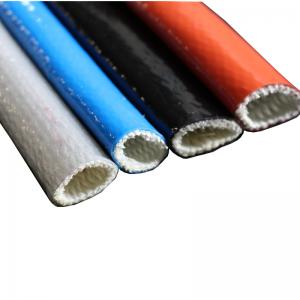
Alih-alih mengandalkan struktur felt yang lembut, material ini menggunakan tekstil suhu tinggi yang ditenun. Hal ini membuat sebuah Selimut Pengelasan Kain Silika sangat relevan ketika paparan panas tinggi harus dikombinasikan dengan penanganan kain yang praktis.
BSTFLEX menawarkan selimut pengelasan silika yang diproduksi dari kain silika 70% dan 96% dengan berbagai konstruksi.
Untuk area datar yang besar, sekat, dan perlindungan yang digantung, kain silika tenun menyediakan struktur yang praktis.
Contoh umum meliputi:
ruang pengelasan
bengkel fabrikasi
area penghentian pemeliharaan
galangan kapal
struktur baja
pembangkit listrik
konstruksi industri
zona pembatasan kerja panas
Selimut tenun dapat lebih mudah dibuat menjadi panel yang lebih besar dan bentuk rekayasa di mana dimensi yang ditentukan serta kekuatan tekstil menjadi hal penting.
Beberapa selimut pengelasan dibentangkan, diseret ke posisi, digantung, dilepas, dilipat, dan disimpan secara berulang.
Dalam situasi ini, ketahanan terhadap suhu hanya merupakan salah satu bagian dari spesifikasi.
Pembeli juga harus mengevaluasi:
kekuatan tarik
konstruksi tepi
jahitan
abrasi
perilaku pelipatan
keausan permukaan
titik pemasangan
Oleh karena itu, struktur tenun kain silika dapat menjadi keunggulan penting ketika penanganan mekanis cukup berat.
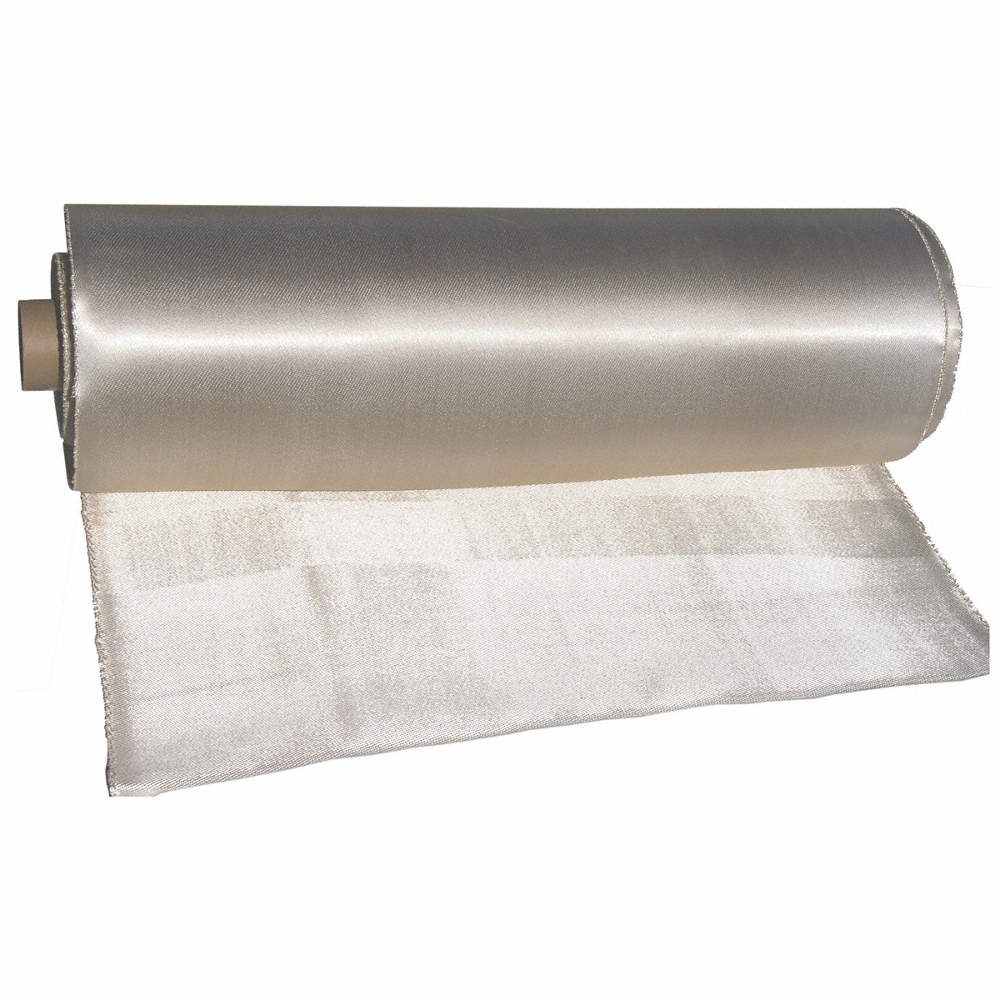
Kedua material dapat digunakan untuk perlindungan pengelasan, tetapi intensitas percikan harus dipertimbangkan.
Percikan las halus, partikel gerinda, dan percikan lelehan sesekali tidak memberikan beban yang sama seperti tetesan besar logam cair.
Insinyur harus menentukan:
Proses apa yang sedang dilakukan?
Seberapa jauh selimut dari area operasi?
Apakah selimut berada dalam posisi horizontal, vertikal, atau dililitkan di sekitar suatu komponen?
Apakah material cair akan tetap berada di permukaan selimut?
Berapa lama paparan akan berlangsung?
Untuk tirai pengelasan rutin dan perlindungan percikan pada area luas, kain silika sering menjadi pilihan yang logis karena konstruksi tenunnya.
Untuk aplikasi ketika tugas utama selimut adalah mengisolasi komponen yang sensitif terhadap panas dari zona pengelasan, kain felt karbon dapat memberikan keseimbangan insulasi dan fleksibilitas yang lebih baik.
Pertanyaan ini memerlukan pertimbangan yang lebih cermat daripada yang ditunjukkan oleh banyak perbandingan selimut pengelasan.
"Ketahanan terhadap logam cair" bukanlah satu sifat material tunggal.
Kinerja dapat berubah berdasarkan:
jenis logam
suhu tetesan
massa tetesan
waktu kontak
sudut benturan
kemiringan selimut
perlakuan permukaan
ketebalan selimut
Tetesan las kecil yang segera menggelinding menjauh menciptakan kondisi yang sangat berbeda dari material cair yang menumpuk di atas selimut horizontal.
Oleh karena itu, untuk aplikasi logam cair yang berat, konstruksi selimut jadi harus dievaluasi berdasarkan proses spesifik, bukan hanya mengandalkan suhu serat secara umum.
BSTFLEX dapat mengevaluasi konstruksi selimut berdasarkan kondisi pengelasan atau pekerjaan panas pelanggan ketika detail ini diberikan bersama RFQ.
Untuk aplikasi yang didominasi oleh perpindahan panas daripada perlakuan mekanis yang berat, felt karbon patut dipertimbangkan secara khusus.
Struktur serat berpori mengandung banyak ruang kosong yang membantu membatasi konduksi panas melalui selimut. Hal ini dapat membuat felt karbon sangat efektif sebagai penyangga antara operasi panas dan komponen sensitif.
Sebagai contoh, bayangkan pengelasan perbaikan dilakukan di dekat mesin yang sudah ada.
Tujuannya mungkin untuk mencegah sisi belakang material pelindung menjadi terlalu panas.
Persyaratan tersebut pada dasarnya berbeda dari sekadar mencegah percikan mencapai lantai.
Selimut felt karbon dapat menjadi kandidat kuat untuk masalah pertama.
Selimut kain silika mungkin menjadi kandidat yang lebih kuat untuk masalah kedua.
Inilah alasan BSTFLEX merekomendasikan untuk menentukan bahaya sebelum memilih spesifikasi selimut.
Panas radiasi dapat meningkatkan suhu peralatan di dekatnya bahkan ketika tidak ada kontak langsung dengan api atau percikan.
Baik felt karbon maupun kain silika dapat menjadi bagian dari sistem perlindungan panas radiasi, tetapi konstruksi optimal bergantung pada:
suhu sumber
jarak dari sumber
waktu paparan
suhu sisi dingin yang diperlukan
pergerakan udara
ketebalan selimut
Jika isolasi termal adalah tujuan utama, felt karbon dapat menyediakan penghalang fleksibel yang efektif.
Jika persyaratannya menggabungkan panas radiasi dengan percikan, paparan api, dan penanganan berulang, kain silika dapat menyediakan alternatif yang berguna.
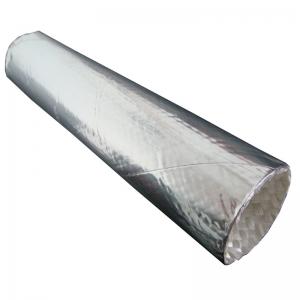
Untuk panas radiasi yang sangat kuat, permukaan luar reflektif juga mungkin perlu dipertimbangkan daripada hanya mengandalkan material dasar selimut.
Frasa panas ekstrem dapat menyesatkan kecuali kondisi paparan ditentukan.
Suhu puncak dan suhu kerja berkelanjutan tidak dapat dipertukarkan.
Sebuah selimut mungkin dapat menahan kejadian termal singkat yang tidak sesuai sebagai kondisi operasi permanen yang berkelanjutan.
Atmosfer di sekitarnya juga berpengaruh.
Material karbon dapat berperilaku berbeda pada suhu tinggi di udara dibandingkan dalam vakum atau atmosfer inert. Inilah alasan peringkat suhu yang diterbitkan untuk felt karbon tungku khusus tidak boleh secara otomatis diterapkan pada selimut las yang digunakan di bengkel terbuka.
Produk silika juga bervariasi berdasarkan kandungan silika, tenunan, pelapisan, dan konstruksi akhir.
Oleh karena itu, pembeli industri harus menggunakan spesifikasi kerja dari selimut jadi daripada membandingkan titik leleh teoretis dari serat mentah.
Ini adalah salah satu area di mana felt karbon memiliki karakter praktis yang berbeda.
Felt lembut dapat ditempatkan di sekitar bentuk-bentuk yang sulit dilindungi dengan material termal kaku.
Aplikasi dapat mencakup:
siku pipa
flensa
rumah mesin
struktur kendaraan
perlengkapan fabrikasi
rakitan las tidak beraturan
ruang sempit di antara komponen
Kain silika tetap fleksibel, tetapi berperilaku lebih seperti tekstil industri.
Untuk perlindungan datar, tirai, dan panel fabrikasi yang sudah ditentukan, hal tersebut dapat menjadi keuntungan.
Pemilihan karena itu bergantung pada apakah selimut harus menyesuaikan bentuk di sekitar objek atau membentuk bidang pelindung di sekitar area kerja.
Selimut las jarang mengalami kegagalan hanya karena suhu.
Kerusakan nyata di bengkel juga dapat disebabkan oleh:
diseret melintasi baja kasar
tepi tajam hasil fabrikasi
pelipatan berulang
permukaan yang terkontaminasi
serpihan hasil penggerindaan
tusukan mekanis
penyimpanan yang tidak tepat
penumpukan percikan logam cair
Hal ini sangat penting saat membandingkan felt lembut dengan kain tenun.
Felt karbon harus dipilih ketika keunggulan termal dan kemampuan menyesuaikannya sesuai dengan penerapan.
Kain silika harus dipertimbangkan ketika karakteristik tekstil tenun penting untuk penanganan industri berulang.
Tidak satu pun material harus dipilih dengan menggunakan suhu maksimum sebagai satu-satunya spesifikasi pembelian.
Pengelasan dan perbaikan kendaraan sering dilakukan dekat dengan kabel, selang, komponen interior, dan permukaan yang sudah selesai.
Felt karbon dapat menarik ketika selimut ringan harus dipasang mengelilingi komponen-komponen ini.
Selimut silika dapat efektif untuk stasiun pengelasan yang lebih besar dan perlindungan area manufaktur.
Galangan kapal melibatkan pemotongan, pengelasan, dan penggerindaan yang luas, sering kali pada permukaan besar.
Selimut las silika tenun dapat sesuai untuk memisahkan area kerja panas, menangkap percikan api, dan melindungi struktur di sekitarnya.
Felt karbon dapat dipilih untuk isolasi termal lokal di sekitar komponen sensitif.
Pekerjaan pemeliharaan di sekitar turbin, pipa, katup, dan peralatan proses sering memiliki bentuk geometri yang rumit.
Felt karbon dapat memberikan isolasi lokal, sementara selimut silika dapat menutupi struktur di sekitarnya atau membentuk penghalang kerja panas yang lebih besar.
Bengkel fabrikasi mungkin memerlukan kedua material.
Satu selimut dapat melindungi mesin di samping stasiun pengelasan sementara yang lain menutupi lantai di bawahnya.
Menggunakan material yang sama untuk kedua lokasi tidak selalu merupakan solusi yang paling efisien.
Gunakan penerapan, bukan nama produk, untuk membuat keputusan.
isolasi termal merupakan persyaratan utama
berat selimut yang rendah diinginkan
bentuk yang rumit perlu dibungkus
komponen sensitif berada dekat dengan area pekerjaan panas
fleksibilitas sangat penting
perlindungan panas terlokalisasi diperlukan
permukaan pelindung yang luas diperlukan
struktur selimut anyaman lebih disukai
selimut akan dipasang dan dilepas berulang kali
tirai pengelasan atau perlindungan gantung diperlukan
percikan api dan serpihan pekerjaan panas menjadi perhatian utama
konstruksi tekstil berdimensi penting
Dalam beberapa instalasi industri, solusi yang paling efektif bahkan dapat menggunakan kedua material untuk posisi yang berbeda di sekitar operasi pekerjaan panas yang sama.
Permintaan yang hanya menyatakan "selimut pengelasan suhu tinggi" memberikan terlalu sedikit informasi untuk pemilihan material yang akurat.
Untuk rekomendasi yang bermanfaat secara teknis, berikan:
proses pengelasan atau pekerjaan panas
suhu operasi yang diharapkan
paparan panas maksimum
paparan kontinu atau berkala
panas radiasi atau kontak langsung
adanya percikan api
adanya logam cair
orientasi selimut
dimensi yang diperlukan
ketebalan yang diperlukan
jumlah
pemasangan yang dapat digunakan kembali atau sementara
gambar teknik atau foto aplikasi jika tersedia
Dengan informasi ini, BSTFLEX dapat menentukan apakah sebuah Selimut Pengelasan Felt Serat Karbon, Selimut Pengelasan Kain Silika, atau konstruksi selimut suhu tinggi lainnya lebih sesuai untuk proyek tersebut.
Tidak ada jawaban yang bertanggung jawab secara teknis yang menyatakan bahwa felt karbon selalu lebih baik daripada silika, atau silika selalu lebih baik daripada felt karbon.
Felt karbon sangat unggul ketika diperlukan insulasi ringan, kemampuan menyesuaikan bentuk, dan isolasi termal terlokalisasi.
Kain silika sangat unggul ketika perlindungan terhadap suhu ekstrem harus dipadukan dengan karakteristik praktis tekstil industri anyaman.
Untuk perlindungan pengelasan terhadap panas ekstrem, pilihan yang tepat harus ditentukan berdasarkan sumber panas, durasi, orientasi selimut, paparan mekanis, serta permukaan atau peralatan yang harus dilindungi.
BSTFLEX memproduksi berbagai material perlindungan suhu tinggi karena aplikasi pekerjaan panas industri tidak semuanya menimbulkan bahaya termal yang sama.
Untuk pemilihan material, ukuran khusus, atau persyaratan OEM, kirimkan kepada BSTFLEX suhu aplikasi, kondisi kerja, dimensi selimut, dan jumlah yang diperlukan untuk dievaluasi.
Felt karbon tidak selalu lebih baik daripada silika. Felt karbon sangat cocok ketika isolasi termal, bobot ringan, dan kemampuan menyesuaikan bentuk menjadi hal penting. Kain silika sering lebih unggul ketika struktur anyaman, perlindungan area luas, dan penanganan berulang diperlukan.
Selimut pengelasan terbaik bergantung pada jenis paparan panas. Felt karbon dapat sangat efektif untuk isolasi lokal di sekitar komponen yang sensitif terhadap panas, sedangkan kain silika banyak digunakan ketika ketahanan terhadap suhu tinggi dan daya tahan tekstil anyaman diperlukan secara bersamaan.
Selimut Pengelasan Felt Serat Karbon BSTFLEX ditentukan untuk suhu hingga 1800°F / 980°C. Kesesuaian sebenarnya juga harus mempertimbangkan durasi paparan, fluks panas, kontak langsung, dan lingkungan pengoperasian.
Ya, kain silika secara khusus digunakan untuk perlindungan industri bersuhu tinggi. Suhu pengoperasian kontinu yang sebenarnya bergantung pada kandungan silika, pelapis, konstruksi kain, dan spesifikasi selimut jadi.
Felt karbon dapat digunakan sebagai bagian dari perlindungan terhadap pengelasan dan pekerjaan panas, khususnya ketika isolasi termal menjadi hal penting. Tingkat keparahan, ukuran, dan durasi paparan percikan atau percikan logam cair harus dipertimbangkan sebelum menentukan spesifikasi selimut.
Ya. BSTFLEX dapat mengevaluasi kebutuhan selimut pengelasan khusus berdasarkan dimensi, bahan, ketebalan, suhu pengoperasian, dan kondisi aplikasi. Pembeli sebaiknya memberikan informasi sebanyak mungkin mengenai lingkungan pekerjaan panas yang sebenarnya saat meminta penawaran.
sebelumnya :
Apa Itu Selimut Las dari Serat Karbon Felt?Selanjutnya :
Kain Silika dan Kain Silika Tinggi untuk Insulasi Suhu Tinggi
 English
 français
 Deutsch
 русский
 italiano
 español
 português
 Nederlands
 العربية
 日本語
日本語 한국의
한국의 Türkçe
 Polski
 Tiếng Việt
 slovenský