English
 français
 Deutsch
 русский
 italiano
 español
 português
 Nederlands
 العربية
 日本語
日本語 한국의
한국의 Türkçe
 Polski
 Tiếng Việt
 slovenský



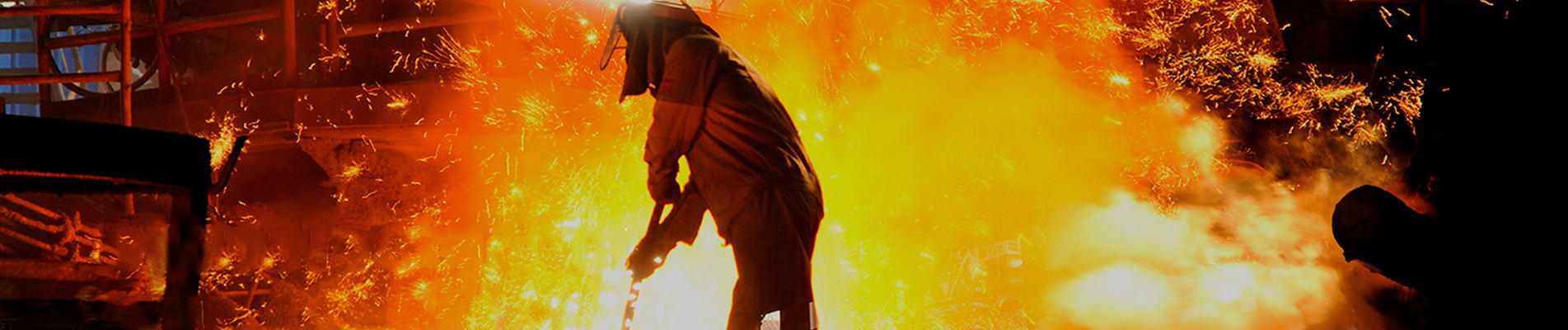
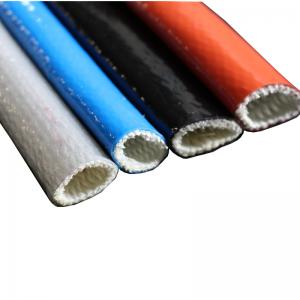
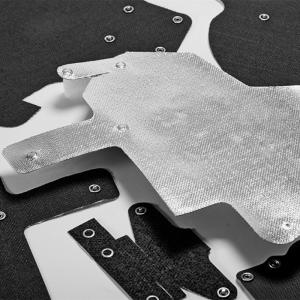
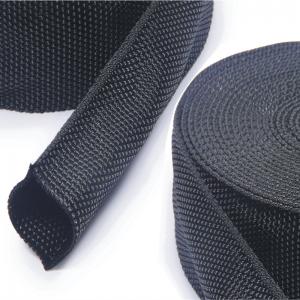
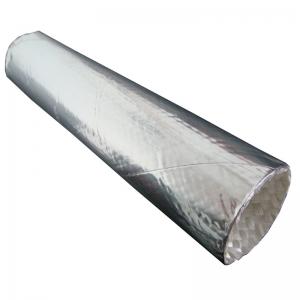
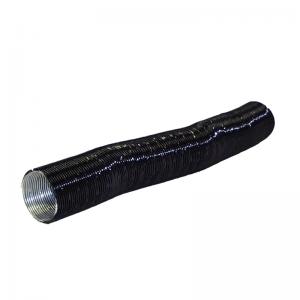
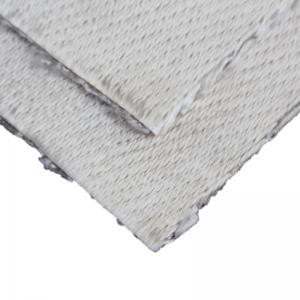
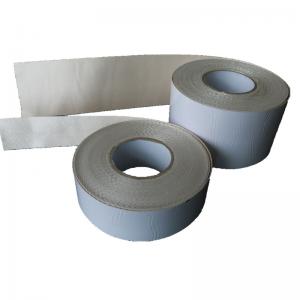
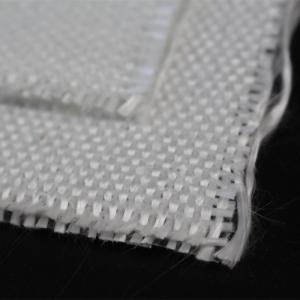
Sebuah sambungan ekspansi kain untuk pabrik baja harus ditentukan posisi pastinya dalam sistem pembuangan. Sambungan di dekat tanur, saluran ekstraksi berpendingin, dan saluran masuk kipas mungkin berada dalam lini proses yang sama, tetapi belum tentu mengalami suhu, tekanan, beban debu, atau pergerakan yang sama.
Sambungan ekspansi kain menyediakan sambungan fleksibel pada saluran gas bertekanan rendah yang sesuai. Sambungan ini mengakomodasi pertumbuhan termal dan pergeseran peralatan yang ditentukan sambil tetap menjaga segel gas yang diperlukan. Dalam layanan pembuangan tanur, sabuk fleksibel, isolasi, perlengkapan, dan perlindungan internal harus bekerja bersama sebagai satu kesatuan.
BSTFLEX memproduksi sambungan ekspansi kain non-logam khusus untuk aplikasi saluran industri, udara panas, pembuangan, dan gas buang. Konfigurasi bulat, persegi panjang, dan khusus proyek dapat dievaluasi dari gambar pelanggan dan data operasional.
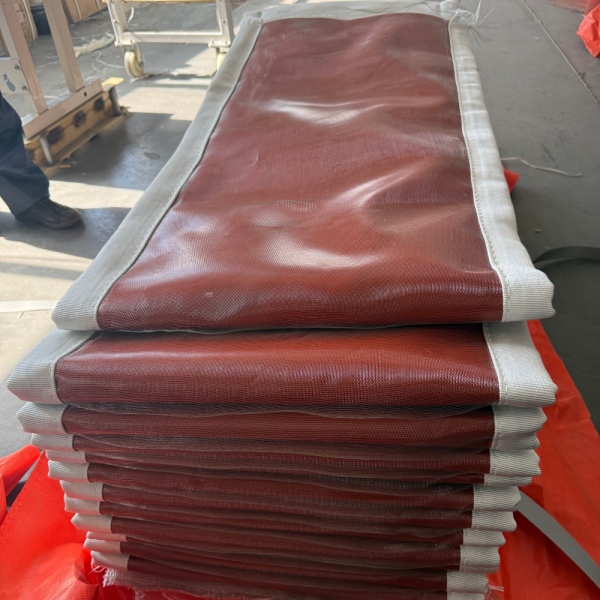
Di Mana Sambungan Ekspansi Kain Dipasang pada Saluran Pabrik Baja
Nama peralatan adalah titik awal, bukan spesifikasi lengkap. Identifikasi sambungan pada gambar pabrik dan jelaskan apa yang mencapainya selama operasi normal, penyalaan, pemadaman, dan kondisi gangguan yang mungkin terjadi.
| Lokasi Saluran | Kondisi yang Harus Ditetapkan | Fokus Desain |
|---|---|---|
| Sistem ekstraksi tanur busur listrik | Lokasi tepat relatif terhadap peralatan pendingin, pengenceran, dan penghilangan debu | Konfirmasikan apakah konstruksi kain sesuai pada sambungan yang diusulkan |
| Saluran ekstraksi asap tanur sendok | Suhu gas, operasi intermiten, debu, dan pergerakan peralatan | Sesuaikan sambungan dengan sambungan saluran stasioner dan pergerakan yang ditentukan |
| Pembuangan tanur pemanasan ulang atau perlakuan panas | Suhu pembuangan lokal, siklus operasi, dan paparan panas eksternal | Perlindungan termal dan pergerakan berulang |
| Saluran pengumpulan debu dan baghouse | Lokasi sisi kotor atau sisi bersih, tekanan, dan kondisi partikulat | Penyegelan, perlindungan abrasi, dan deformasi terkait tekanan |
| Saluran masuk atau keluar kipas | Fluktuasi tekanan, getaran, dan ruang pemasangan yang tersedia | Kontrol kepakan sabuk dan jarak bebas di seluruh pergerakan |
| Saluran pemulihan panas limbah | Suhu sambungan, pertumbuhan peralatan, dan perubahan proses | Kompatibilitas antara sambungan dan peralatan yang berdekatan |
Pembuangan Tanur Busur Listrik Memerlukan Tinjauan Spesifik Lokasi
Sistem penghilangan debu tanur busur listrik dapat mencakup saluran primer berpendingin air, pendinginan gas tambahan, ekstraksi asap sekunder, filtrasi, dan kipas angin induksi. Bagian-bagian ini menjalankan fungsi yang berbeda dan tidak boleh menerima satu spesifikasi sambungan ekspansi generik.
Konektor kain bukanlah pengganti otomatis untuk saluran berpendingin air, sambungan geser, atau komponen lain yang dirancang untuk gas buang tanur langsung. Perancang sistem harus menyetujui titik pemasangan yang diusulkan dan batas operasional. Suhu proses tanur bukanlah pengganti untuk suhu gas yang diukur atau dihitung pada sambungan tersebut.
Demikian pula, sambungan ekspansi saluran stasioner tidak boleh dianggap dapat mengakomodasi kemiringan tanur, pengangkatan atap, atau pergerakan peralatan besar lainnya kecuali pergerakan tersebut telah disertakan secara eksplisit dalam desainnya.
Siklus Termal Sama Pentingnya dengan Suhu Puncak
Untuk sambungan ekspansi saluran tanur, catat bagaimana suhu berubah alih-alih hanya memberikan nilai tertingginya. Tugas pembuangan yang stabil dan sambungan yang terpapar pada ekskursi suhu berulang dapat memerlukan evaluasi yang berbeda meskipun suhu maksimumnya serupa.
Informasi yang berguna mencakup suhu operasi normal, suhu ekskursi maksimum, durasi ekskursi, frekuensi pemanasan dan pendinginan, serta pergerakan saluran yang sesuai. Hindari berasumsi bahwa setiap saluran pembuangan tanur kembali ke suhu lingkungan setelah setiap siklus produksi.
Sebuah sambungan ekspansi kain suhu tinggi dapat menggunakan isolasi dan pelindung sisi panas untuk menjaga material penyegelnya tetap dalam rentang operasi yang dimaksudkan. Kemampuan suhu bergantung pada konstruksi lengkap, bukan hanya pada kain dengan peringkat tertinggi yang dipublikasikan.
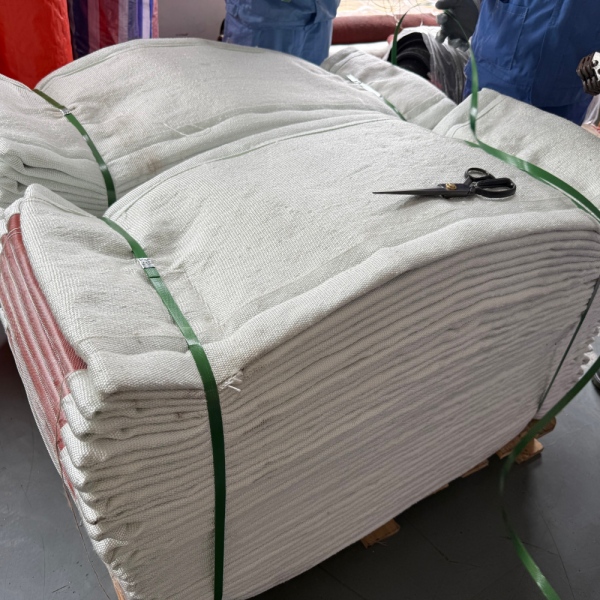
Panas Radiasi Eksternal Adalah Input Desain Terpisah
Gas di dalam saluran bukan satu-satunya sumber panas yang mungkin. Bukaan tungku, permukaan peralatan panas, atau produk yang dipanaskan di dekatnya dapat memaparkan bagian luar elemen fleksibel terhadap radiasi.
Laporkan posisi, jarak, dan orientasi sambungan relatif terhadap sumber panas di dekatnya. Foto peralatan di sekitarnya dapat membantu mengidentifikasi paparan yang tidak tercantum dalam spesifikasi suhu saluran.
Setiap pelindung atau penutup eksternal yang diusulkan harus ditinjau untuk pembuangan panas, jarak pergerakan, dan akses pemeliharaan. Jangan berasumsi bahwa membungkus seluruh sambungan dengan isolasi tambahan akan meningkatkan kinerjanya.
Untuk hubungan antara suhu proses, isolasi, dan suhu lapisan penyegel, baca sambungan ekspansi kain suhu tinggi untuk saluran gas buang.
Perlindungan Debu Dimulai dari Jalur Aliran
Di mana gas buang membawa padatan abrasif, pelapis dapat melindungi sabuk fleksibel dari aliran langsung. Penghalang akumulasi mengatasi masalah yang berbeda: penumpukan partikulat di rongga sambungan. Tidak satu pun komponen yang boleh dianggap sebagai pengganti membran penyegel gas.
Tentukan kondisi partikel, arah aliran, dan data kecepatan yang tersedia. Sertakan siku, peredam, atau perubahan bagian di dekatnya pada gambar. Tinjau tumpang tindih dan jarak pelapis di seluruh pergerakan yang diperlukan, bukan hanya dalam posisi mati.
Sabuk yang lebih tebal tidak akan menghilangkan kontak logam-ke-kain atau memulihkan ruang pergerakan yang ditempati oleh endapan.
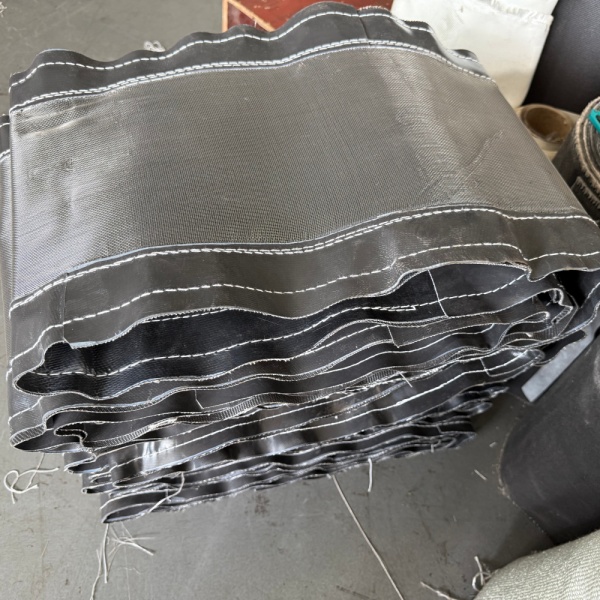
Tekanan Negatif dan Denyut Kipas Memerlukan Perhatian Terpisah
Tekanan negatif dapat menarik sabuk ke dalam; fluktuasi tekanan di dekat kipas atau peredam dapat menyebabkan kepakan berulang. Kedua kondisi tersebut memerlukan penilaian bersama dengan geometri sambungan dan jarak internal.
Nyatakan tekanan operasi dan desain dengan tanda dan satuannya. Laporkan transien, amplitudo getaran, dan frekuensi yang diketahui jika tersedia. Jangan menafsirkan fleksibilitas yang terlihat sebagai bukti bahwa sabuk beroperasi dalam batas desainnya.
Gaya pegas kain yang rendah juga tidak berarti beban nol pada struktur di sekitarnya. Beban terkait tekanan dan persyaratan dukungan tetap menjadi bagian dari desain sistem saluran.
Pilih Material Berdasarkan Fungsinya dalam Sambungan
Elemen fleksibel mungkin memerlukan penguatan, penyegelan gas, perlindungan termal, dan ketahanan lingkungan. Fungsi-fungsi ini tidak harus disediakan oleh material yang sama.
Panduan kami untuk material sambungan ekspansi kain menjelaskan peran berbeda dari PTFE, silikon, serat kaca, dan silika. Tabel di bawah ini menerapkan perbedaan tersebut pada proyek gas buang tungku.
| Material atau Komponen | Fungsi yang Mungkin | Apa yang Harus Dikonfirmasi |
|---|---|---|
| Kain serat kaca | Penguatan tekstil atau penahanan isolasi | Sifat mekanis yang diperlukan dan suhu pada lapisan |
| Kain silika | Perlindungan tekstil suhu tinggi atau penahanan isolasi | Paparan panas aktual, pergerakan, dan kebutuhan akan segel gas terpisah |
| Serat kaca berlapis silikon | Penutup pelindung fleksibel atau lapisan penyegel dalam konstruksi yang sesuai | Suhu pelapisan, kompatibilitas gas, dan paparan eksternal |
| Kain berlapis PTFE | Komponen tahan kimia dalam sistem penghalang tertentu | Kelas, kinerja penyegelan, metode penyambungan, dan suhu membran |
| Isolasi termal | Pengurangan panas yang mencapai lapisan sensitif suhu | Ketebalan, penahanan, dan perilaku selama pergerakan sambungan |
| Pelapis logam internal | Perlindungan dari aliran langsung dan paparan partikel | Kompatibilitas material, pemasangan, dan jarak bebas |
Ini adalah fungsi komponen yang mungkin, bukan urutan lapisan standar atau pernyataan bahwa setiap kain yang terdaftar cocok untuk setiap aplikasi pabrik baja. Kain tenun yang tidak dilapisi tidak boleh dianggap sebagai segel gas yang lengkap. Kain berlapis serbaguna juga memerlukan konfirmasi kesesuaiannya untuk konstruksi sambungan ekspansi yang dituju.
BSTFLEX menyediakan berbagai kain suhu tinggi. Untuk sambungan fabrikasi, tentukan kinerja yang diperlukan dari sabuk rakitan dan jahitannya daripada hanya mengandalkan berat, ketebalan, atau nama lapisan kain saja.
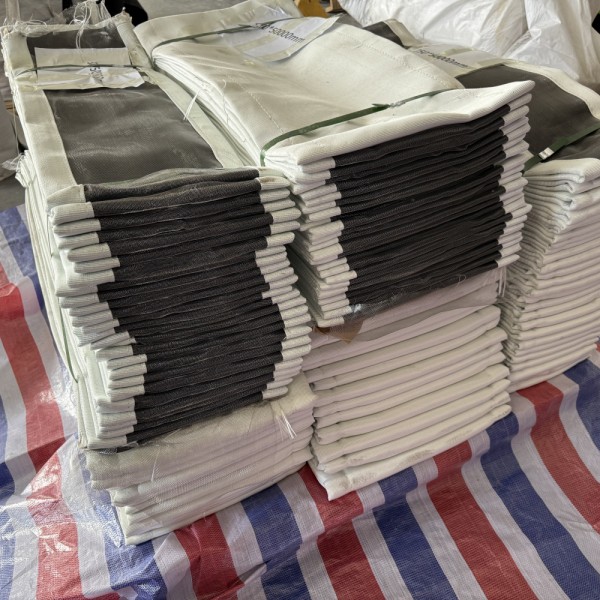
Saluran Bulat dan Persegi Memerlukan Catatan Dimensi yang Berbeda
Sistem pembuangan pabrik baja menggunakan geometri saluran yang berbeda. Jangan berasumsi bahwa bukaannya berbentuk persegi hanya karena instalasinya besar.
Untuk sambungan bulat, identifikasi diameter bukaan, diameter pemasangan, detail flensa, dan orientasi pola lubang. Untuk sambungan persegi, catat lebar, tinggi, geometri sudut, dan dimensi yang relevan di kedua ujungnya.
Jaga jarak sambungan terpasang terpisah dari lebar sabuk kain yang dikembangkan. Area penjepitan dan bagian fleksibel yang bebas harus diperhitungkan dalam desain yang disetujui.
Untuk sambungan persegi besar, artikel kami tentang sambungan ekspansi kain persegi untuk saluran industri membahas sudut, geometri pemasangan, dan jarak bebas pelapis secara lebih rinci.
Tentukan Pergerakan dari Posisi Pemasangan yang Disepakati
Persyaratan pergerakan harus mengidentifikasi kompresi dan ekstensi aksial secara terpisah, perpindahan lateral di kedua arah transversal, dan pergerakan sudut di sekitar sumbu yang ditentukan. Nyatakan pergerakan mana yang terjadi secara bersamaan.
Preset dingin yang disengaja berbeda dari ketidaksejajaran pemasangan yang tidak terduga. Keduanya perlu dicatat agar produsen memahami posisi awal dan pergerakan yang diperlukan selama servis.
Minta insinyur sistem saluran untuk menetapkan perpindahan operasional. Jangan memperkirakan kemampuan pergerakan sambungan dari kelonggaran sabuk yang ada. Pastikan pelapis, komponen isolasi, dan struktur di sekitarnya tetap bersih di seluruh amplop pergerakan yang disetujui.
Penggantian Harus Mengatasi Kegagalan, Bukan Hanya Dimensi
Pesanan ulang hanya mudah jika spesifikasi sebelumnya tetap sesuai. Sebelum mengganti sambungan ekspansi pabrik baja, kumpulkan riwayat servisnya, foto, catatan dimensi, dan perubahan proses apa pun sejak pemasangan.
Catat pengamatan daripada berasumsi penyebabnya. Keausan di samping pelapis, sobekan pada penjepit, endapan di dalam rongga, dan perubahan warna lokal memerlukan penyelidikan yang berbeda. Kain bersuhu lebih tinggi tidak serta merta mengatasi kerusakan yang disebabkan oleh kontak, ketidaksejajaran, atau pergerakan yang terbatas.
Untuk prosedur survei dan pemesanan, lihat penggantian sambungan ekspansi kain: cara mengukur dan menentukan sambungan yang ada.
Inspeksi langsung dan pembongkaran harus dilakukan oleh personel resmi di bawah prosedur isolasi, akses aman, dan izin lokasi. Pastikan kondisi suhu dan tekanan yang aman, dukungan saluran yang memadai, dan bahaya kontaminasi apa pun sebelum mengganggu sambungan. Jangan melonggarkan sambungan pembuangan yang sedang beroperasi.
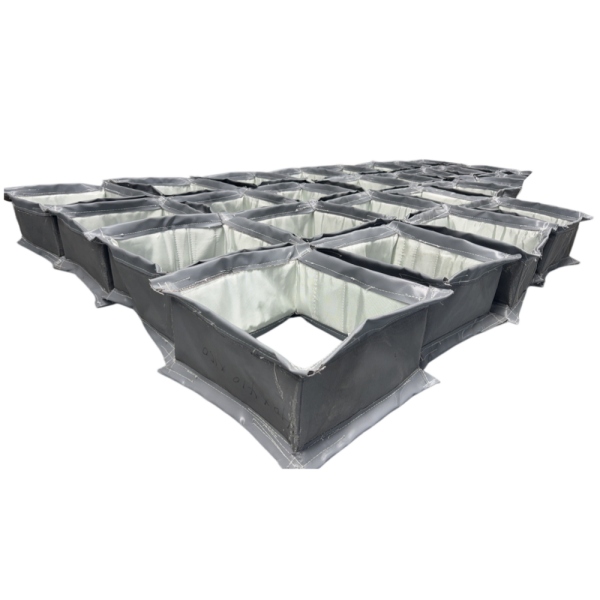
Informasi Teknik untuk Penawaran Sambungan Ekspansi Pabrik Baja
Siapkan satu spesifikasi untuk setiap tag peralatan. Tandai informasi yang hilang sebagai tidak diketahui daripada berasumsi bahwa semua sambungan pada saluran pembuangan yang sama memiliki persyaratan yang identik.
| Item RFQ | Informasi untuk Disediakan |
|---|---|
| Peralatan dan lokasi | Tag sambungan, tungku atau sistem pembuangan, dan posisi relatif terhadap pendinginan, filtrasi, dan kipas |
| Geometri sambungan | Diameter atau lebar dan tinggi, detail pemasangan, jarak pemasangan, dan referensi gambar |
| Suhu | Suhu normal, desain, dan ekskursi, durasi ekskursi, dan siklus operasi |
| Panas eksternal | Sumber radiasi terdekat, pelindung yang ada, dan isolasi eksternal |
| Tekanan dan getaran | Nilai positif atau negatif, unit, batas desain, transien, dan data getaran yang tersedia |
| Media proses | Komposisi gas, kelembapan, kondensat, dan paparan pembersihan jika relevan |
| Debu dan aliran | Kondisi partikel, kecepatan gas, arah aliran, dan gangguan saluran di sekitar |
| Pergerakan | Posisi referensi dingin, prasetel, kompresi dan ekstensi aksial, persyaratan lateral dan sudut |
| Komponen internal | Pengaturan pelapis (liner), isolasi, penghalang akumulasi, dan komponen yang diusulkan untuk digunakan kembali |
| Cakupan pasokan | Sabuk saja, sabuk dengan aksesori, atau perakitan lengkap; kuantitas, batas akses, dan tanggal pengiriman yang diperlukan |
Manufaktur Kustom dan Perencanaan Penghentian Operasional (Shutdown)
BSTFLEX mendukung manufaktur berbasis gambar untuk sabuk fleksibel dan perakitan kustom untuk aplikasi saluran industri. Sebagai produsen sambungan ekspansi kain, kami mengevaluasi geometri, konstruksi material, dan cakupan pasokan yang diminta dari informasi yang diberikan untuk proyek tersebut.
Untuk penggantian saat penghentian operasional, bedakan elemen fleksibel dari rangka, pelapis, isolasi, dan komponen penjepit apa pun. Sepakati apakah sabuk dipasok dalam keadaan terbuka atau tertutup, bagaimana penutupan di lokasi akan diselesaikan, dan bagian mana saja yang disertakan dalam penawaran.
Selesaikan perbedaan dimensi dan data operasional yang hilang sebelum menyetujui fabrikasi. Gambar akhir harus mengidentifikasi referensi pemasangan, persyaratan pergerakan, konstruksi material, dan sambungan ke peralatan yang dipertahankan.
Minta Sambungan Ekspansi Kain untuk Saluran Pembuangan Tungku
Untuk jalur pembuangan pabrik baja baru atau sambungan pengganti, kirimkan lokasi peralatan, gambar, dan kondisi operasional kepada BSTFLEX. Konfigurasi produk dan opsi kustomisasi tersedia di halaman sambungan ekspansi kain kustom kami.
Permintaan yang berguna mencakup dimensi saluran, suhu normal dan maksimum, tekanan, kondisi gas dan debu, pergerakan, paparan panas eksternal, dan cakupan pasokan yang diperlukan. Permintaan penggantian juga harus menyertakan foto, riwayat servis, dan jendela waktu penghentian operasional yang direncanakan.