English
 français
 Deutsch
 русский
 italiano
 español
 português
 Nederlands
 العربية
 日本語
日本語 한국의
한국의 Türkçe
 Polski
 Tiếng Việt
 slovenský



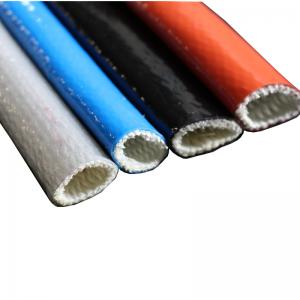
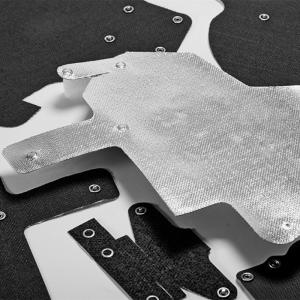
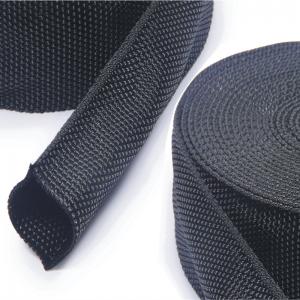
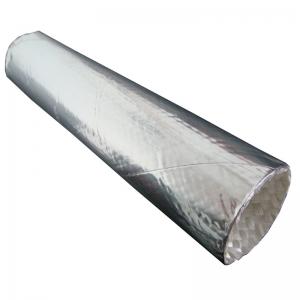
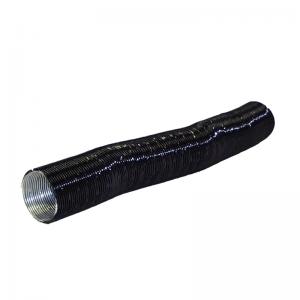
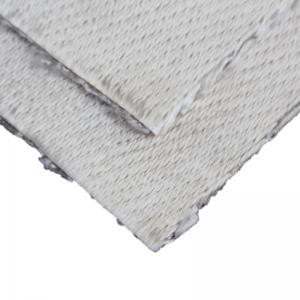
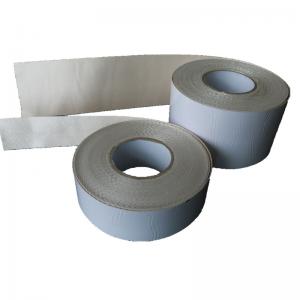
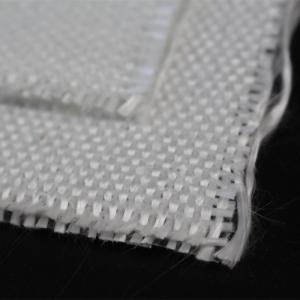
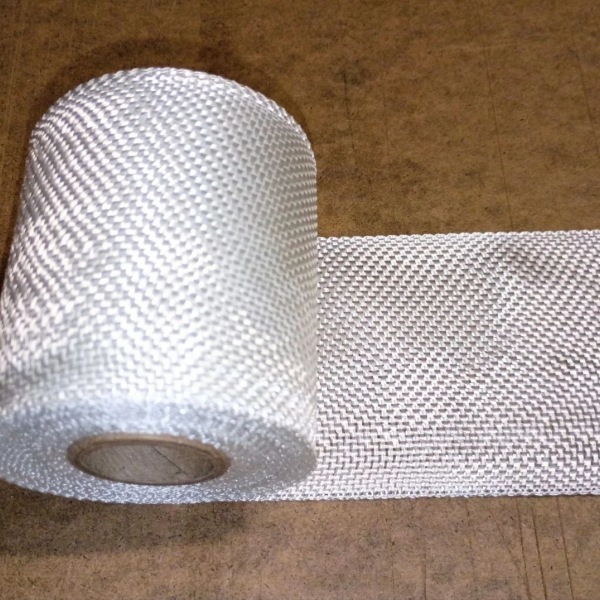
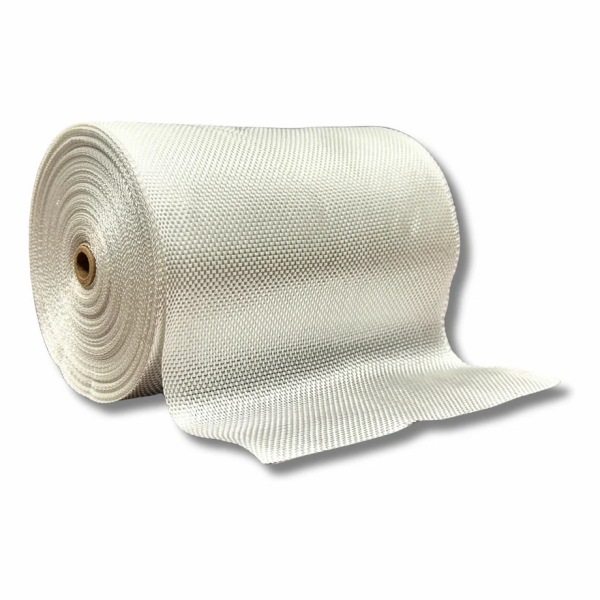
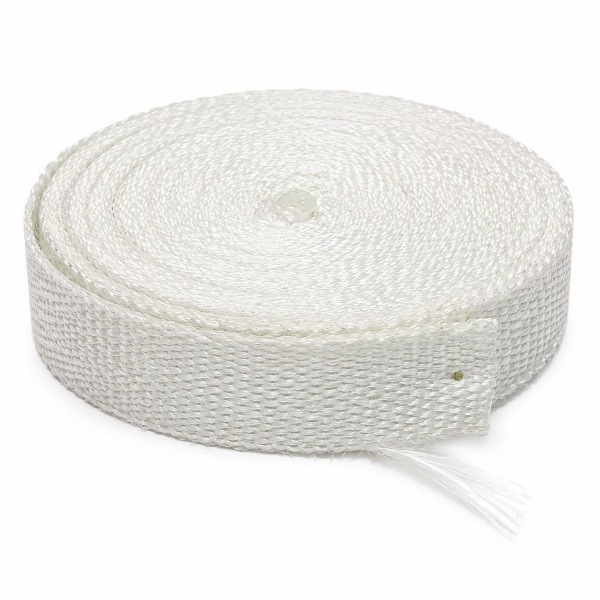
Pita isolasi serat kaca tenun adalah tekstil termal yang digunakan untuk membungkus pipa industri dan detail peralatan lokal.Memilihnya untuk pemasangan pipa berarti menyesuaikan konstruksi, kondisi layanan, lebar, tumpang tindih, dan metode pemasangan. Deskripsi seperti “pita tahan panas 50 mm” membuat terlalu banyak detail pemasangan yang tidak terdefinisi.
Panduan ini menjelaskan cara mengubah deskripsi tersebut menjadi spesifikasi yang dapat digunakan untuk pembelian dan pemeliharaan industri. Untuk konstruksi tekstil dan dimensi gulungan yang tersedia, lihathalaman produk pita isolasi serat kaca tenun BSTFLEXhalaman produk.
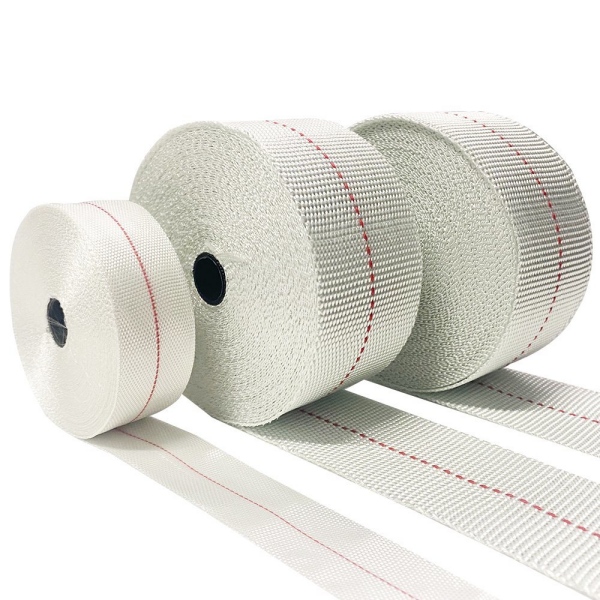
Mulailah dengan pekerjaan yang harus dilakukan pita tersebut
Tentukan apakah proyek memerlukan isolasi lokal pada pipa panas, perlindungan komponen yang terpapar sumber panas eksternal, atau lapisan pembungkus dalam rakitan isolasi yang lebih besar. Ini adalah tugas desain yang berbeda, meskipun bahannya terlihat serupa.
Jika kontrol kehilangan panas atau suhu permukaan luar maksimum ditentukan, evaluasi sistem isolasi secara keseluruhan. Suhu pipa, diameter, ketebalan isolasi, lingkungan sekitar, dan penutup luar semuanya penting. Batas suhu layanan pita tidak memberi tahu Anda seberapa dingin permukaan yang sudah jadi nantinya.
Identifikasi juga dengan tepat apa yang dibeli. Artikel ini membahas pita serat kaca bertekstur yang ditenun. Jangan menggantinya dengan strip penguat jaring terbuka atau kain pelapis lain hanya karena deskripsinya juga mengandung kata “pita kaca”.
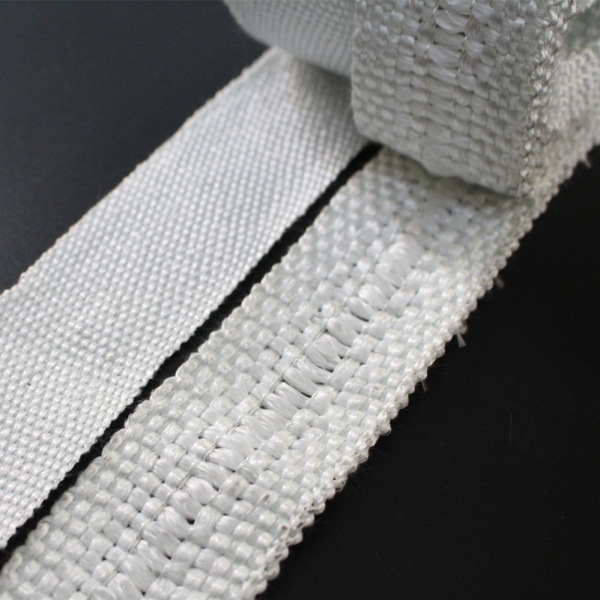
Sesuaikan lebar dan ketebalan dengan pemasangan
Ukur diameter luar tempat pita akan dipasang. Jika diaplikasikan di atas lapisan isolasi yang ada, gunakan diameter luar lapisan tersebut, bukan ukuran pipa nominal. Catat braket, tikungan, dan batasan akses di dekatnya sebelum memilih lebar gulungan.
| Detail pemasangan | Apa yang harus diperiksa sebelum memilih pita |
|---|---|
| Pipa lurus yang mudah diakses | Bandingkan lebar pita praktis dan tumpang tindih yang diperlukan. Strip yang lebih lebar dapat mengurangi jumlah putaran, asalkan terpasang dengan rata. |
| Tikungan tajam atau transisi pendek | Coba pasang strip yang lebih sempit di tempat strip yang lebih lebar berkerut atau meninggalkan cakupan yang tidak rata. Sertakan penanganan tambahan dan kelonggaran material. |
| Jarak bebas terbatas | Periksa hasil akhir, termasuk lapisan yang tumpang tindih dan pengencang. Ketebalan satu lapis nominal bukanlah ketebalan setelah terpasang. |
| Akses pemeliharaan rutin | Tentukan di mana pembungkusan harus berhenti dan bagaimana cara melepasnya. Pastikan titik inspeksi dan identifikasi yang diperlukan tetap dapat diakses. |
Lebar menentukan cakupan dan penanganan; ketebalan berkontribusi pada hasil akhir setelah terpasang. Keduanya tidak boleh dipilih secara terpisah dari pola pembungkusan. Setujui kecocokan pada bagian representatif sebelum melakukan pemesanan produksi berulang.
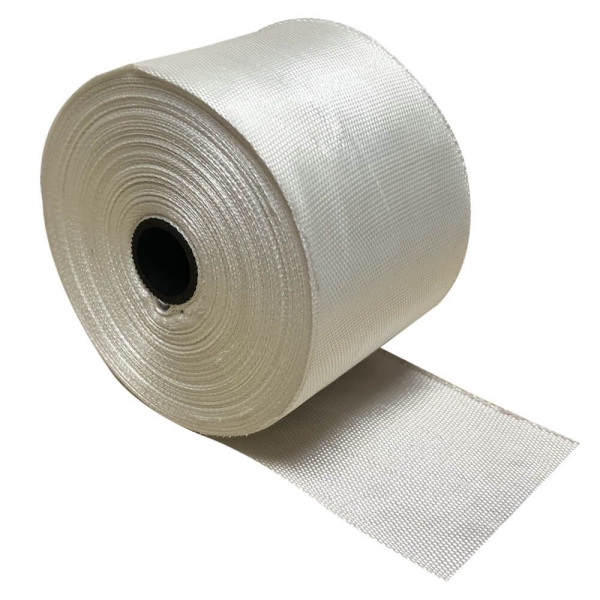
Tentukan tumpang tindih sebelum menghitung jumlah gulungan
Tumpang tindih adalah bagian dari setiap putaran yang menutupi putaran sebelumnya. Pada tumpang tindih 50%, setengah lebar pita berada di atas putaran sebelumnya. Dalam pembungkusan yang ideal dan seragam, ini memberikan sekitar dua lapis di sebagian besar area yang tertutup, tidak termasuk awal, akhir, dan transisi.
Halaman produk pita serat kaca tenun BSTFLEX menjelaskan pengaturan tumpang tindih 50%. Anggap itu sebagai detail pemasangan untuk dikonfirmasi terhadap proyek, bukan aturan universal yang membuktikan kinerja isolasi yang diperlukan.
Perkiraan jumlah ilustratif: bagian pipa lurus
Asumsikan diameter luar 60 mm, panjang pembungkusan 1 m, lebar pita 50 mm, dan tumpang tindih 50%. Untuk perencanaan awal, bagi luas permukaan silinder dengan lebar pita yang memberikan cakupan baru:
Panjang pita ≈ π × diameter yang dibungkus × panjang pipa ÷ [lebar pita × (1 − fraksi tumpang tindih)]
Menggunakan meter secara keseluruhan: 3,1416 × 0,060 × 1,0 ÷ [0,050 × 0,50] ≈7,54 m pita.
Ini adalah perkiraan geometris untuk satu lintasan pembungkusan yang tumpang tindih, bukan desain termal yang teruji. Ini tidak termasuk pengamanan ujung, tikungan, limbah pemotongan, dan peningkatan keliling dari penumpukan material. Lintasan lengkap tambahan memerlukan material tambahan. Konfirmasikan kelonggaran akhir dengan pemasangan uji coba.
Perhitungan ini menjelaskan mengapa satu meter pipa membutuhkan jauh lebih banyak daripada satu meter pita pelapis serat kaca. Menyebutkan hanya panjang jalur pipa dapat menyebabkan jumlah pesanan yang salah.
Pisahkan batas suhu tekstil dari kinerja perekat
Tanyakan peringkat layanan berkelanjutan dari konstruksi pita yang tepat, bersama dengan kondisi apa pun yang melekat pada peringkat tersebut. Catat puncak durasi pendek secara terpisah. Jangan gunakan angka titik leleh atau suhu yang dikutip untuk produk serat kaca lain sebagai batas operasi untuk pita yang dipilih.
Untuk versi dengan perekat, tentukan perekat sebagai persyaratan terpisah. Apakah hanya diperlukan untuk menahan strip pada posisinya selama perakitan, atau harus mempertahankan ikatan selama operasi? Konfirmasikan jawabannya dengan pemasok sebelum mengandalkan lapisan perekat sebagai pengikat permanen.
Serat dengan suhu lebih tinggi tidak secara otomatis membuat perekatnya cocok untuk kondisi yang sama. Demikian pula, menambahkan lapisan tidak mengizinkan pengoperasian material di atas batas layanan yang telah dikonfirmasi.
Rencanakan pengamanan dan akses pemeliharaan
Gunakan prosedur pemeliharaan peralatan yang disetujui dan lepaskan jalur untuk pekerjaan yang aman sebelum pemasangan. Ikuti petunjuk penanganan produk yang dipilih. Coba pasang pita di sekitar tikungan atau braket yang paling sulit sebelum memotong seluruh batch.
Untuk pembungkusan yang ditahan secara mekanis, tentukan pita, pengikat, atau pengencang lain yang disetujui yang menahan pita tanpa merusak komponen di bawahnya. Penempatan perekat dan penahanan mekanis adalah fungsi yang berbeda; spesifikasi pembelian harus menyatakan mana yang diperlukan.
Periksa adanya celah, tepi yang terlipat, Ujung yang kendur, dan penumpukan lokal yang berlebihan. Setelah komisioning berdasarkan prosedur yang disetujui, atur pemeriksaan pada kesempatan perawatan yang aman untuk memastikan bahwa pembungkus dan pengikat tetap di tempatnya.
Tulis permintaan penawaran harga yang dapat diulangi
Pertanyaan yang berguna memberikan produk yang dibutuhkan sekaligus konteks pemasangannya. Sertakan lebar pita, ketebalan nominal, panjang gulungan atau potongan, jumlah total, diameter terbungkus, suhu kerja, dan tumpang tindih yang dianjurkan. Nyatakan apakah pita tersebut polos atau berkeledai (memiliki perekat), dan sertakan pengaturan pengikatannya.
Untuk produksi peralatan yang berulang, tambahkan gambar atau referensi sampel yang disetujui, toleransi dimensi, dan persyaratan pengemasan. Untuk penggantian, sertakan spesifikasi sebelumnya dan foto-foto pemasangan daripada mengandalkan warna atau penampilan pita yang lama.
BSTFLEX menyuplai pita fiberglass tenun untuk kebutuhan isolasi dan perawatan industri. Tinjau ukuran pita fiberglass dan konstruksi yang tersedia , lalu kirimkan dimensi dan kondisi operasi Anda untuk penawaran harga .
Dua pertanyaan pembelian yang perlu diselesaikan
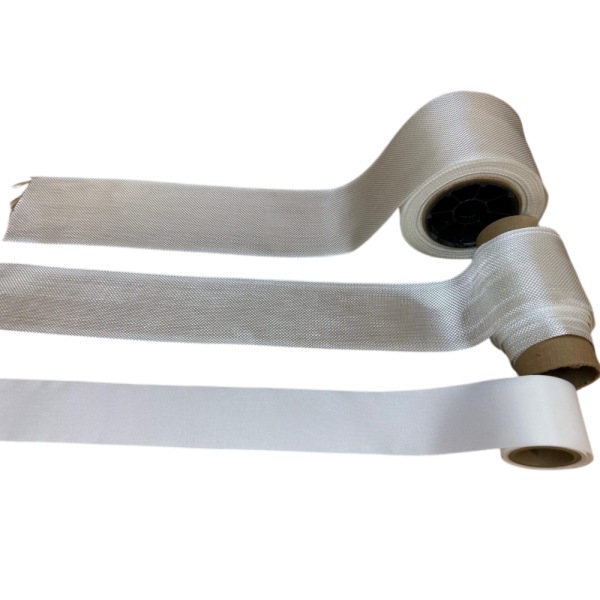
Apakah pita lagging fiberglass selalu merupakan pita isolasi tenun?
Tidak. Istilah tersebut juga dapat merujuk pada konstruksi lain, termasuk pita lagging rajut. Tentukan konstruksi tenun, ketebalan, dan fungsi yang diinginkan daripada memperlakukan “pita lagging” sebagai spesifikasi bahan yang lengkap.
Bisakah pita ini menggantikan sistem isolasi pipa yang ditentukan?
Tidak tanpa persetujuan rekayasa. Pembungkus lokal dan sistem isolasi pipa yang lengkap tidak secara otomatis setara. Jaga agar persyaratan kehilangan panas, suhu permukaan, dan lingkungan proyek tetap menjadi kriteria penerimaan. Untuk bahan industri atau struktur pemasangan lainnya, bandingkan jajaran pita suhu tinggi industri BSTFLEX .