English
 français
 Deutsch
 русский
 italiano
 español
 português
 Nederlands
 العربية
 日本語
日本語 한국의
한국의 Türkçe
 Polski
 Tiếng Việt
 slovenský



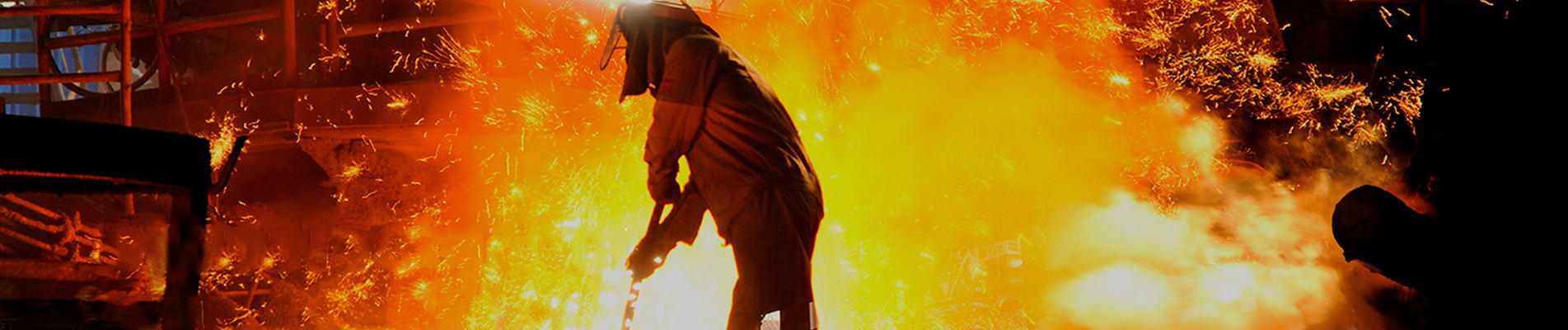
Sambungan ekspansi kain untuk pabrik semenSambungan fleksibel digunakan dalam saluran gas industri untuk mengakomodasi pergerakan termal dan perpindahan peralatan yang ditentukan. Dalam saluran udara yang terkait dengan tungku pembakaran, pembuangan preheater, dan sirkuit pendingin klinker, konstruksinya harus mempertimbangkan kondisi pada setiap sambungan—bukan hanya suhu tertinggi yang terkait dengan jalur produksi.
Sabuk tahan panas pun masih dapat rusak akibat aliran abrasif, debu yang terperangkap, atau kontak dengan lapisan pelindung. Pengganti yang sesuai dengan flensa yang ada pun masih bisa tidak cocok jika toleransi pergerakan atau spesifikasi pengoperasiannya tidak lengkap.
BSTFLEX memproduksisambungan ekspansi kain non-logam khususuntuk saluran udara panas, knalpot, dan gas buang industri. Untuk proyek semen, titik awalnya adalah lokasi peralatan, kondisi proses, dan pergerakan yang dibutuhkan di setiap sambungan.
Cakupan:Artikel ini membahas sambungan fleksibel antara bagian saluran stasioner dan peralatan. Artikel ini tidak membahas secara spesifik segel masuk atau keluar yang berputar pada kiln putar, atau celah ekspansi pada lapisan tahan api.
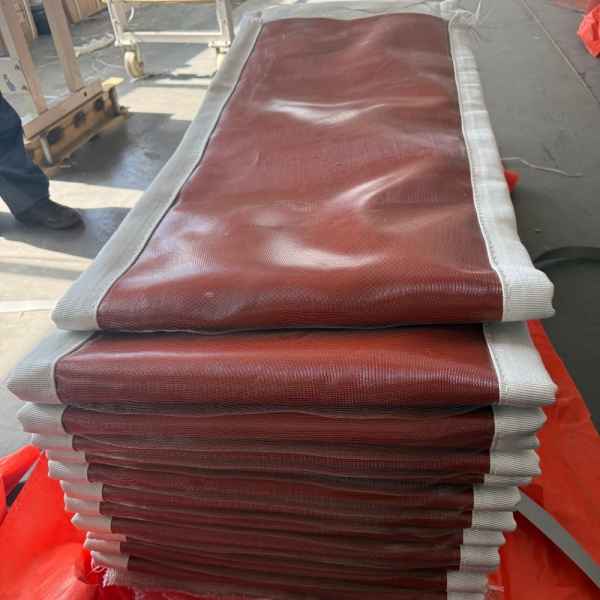
Satu Pabrik Semen, Beberapa Tugas Saluran Udara yang Berbeda
“Sambungan ekspansi tungku semen” bukanlah deskripsi layanan yang lengkap. Identifikasi sambungan saluran pada gambar pabrik dan nyatakan apa yang melewatinya. Sambungan pembuangan preheater dan sambungan pemulihan panas pendingin harus memiliki spesifikasi terpisah, meskipun dimensinya serupa.
Pemanas Awal dan Saluran Pembuangan Tungku
Untuk sebuahsambungan ekspansi saluran pemanas awalMintalah informasi kondisi gas di titik pemasangan, termasuk suhu, tekanan, kandungan debu, dan pergerakan yang diharapkan. Jangan mengganti suhu proses internal kiln dengan suhu gas pada sambungan saluran jarak jauh.
Sertakan posisi sambungan relatif terhadap siku, peredam, dan perubahan penampang saluran. Hal ini membantu perancang memahami apakah rakitan fleksibel tersebut dapat terpapar jalur aliran terkonsentrasi, bukan kondisi rata-rata yang diwakili oleh pengukuran lebar saluran.
Sambungan Pendingin Klinker dan Pemulihan Panas
Asambungan ekspansi pendingin klinkerMembutuhkan deskripsi spesifik lokasi: jalur udara atau pembuangan mana yang terlibat, di mana sambungan tersebut berada relatif terhadap peralatan pemulihan panas, dan kondisi partikulat apa yang mencapainya. Sambungan ekspansi kain digunakan dalam saluran pemulihan panas pabrik semen, tetapi nama aplikasi tersebut tidak menetapkan peringkat suhu atau tekanan standar.
Mintalah tim proses untuk memberikan kondisi normal dan penyimpangan yang masuk akal. Catat apakah perubahan dalam pengoperasian peralatan mengubah suhu, aliran, atau paparan debu pada sambungan tertentu ini.
Pengumpul Debu dan Sambungan Kipas
Untuk sebuahsambungan ekspansi saluran pabrik semenDi dekat pengumpul debu atau kipas, identifikasi sisi kotor atau bersih dari peralatan tersebut. Konfirmasikan tekanan aktual dan denyutan atau getaran apa pun, alih-alih hanya menentukan "layanan tekanan rendah".
Pada sambungan yang relatif lebih dingin, fleksibilitas kain, penyegelan, dan ketahanan terhadap gerakan berulang mungkin menjadi lebih penting daripada menambahkan paket isolasi yang tebal. Konstruksi material harus mengikuti beban terukur daripada preferensi seluruh pabrik untuk sabuk yang paling tebal.
Abrasi debu dan akumulasi debu adalah masalah yang berbeda.
Dalam layanan gas yang mengandung partikel, lapisan aliran internal dapat melindungi sabuk fleksibel dari paparan langsung gas dan partikel. Penghalang akumulasi memiliki tujuan yang berbeda: membatasi penumpukan partikel di rongga sambungan. Penghalang tersebut bukanlah pengganti lapisan, dan kedua komponen tersebut tidak menggantikan elemen penyegel gas.
Perbedaan ini penting ketika meninjau sambungan yang gagal. Keausan permukaan menunjukkan penyelidikan yang berbeda dari rongga yang dipenuhi material. Hanya dengan menentukan kain yang lebih tebal mungkin tidak mengubah jalur paparan asli.
Untuk sambungan yang berdebu, mintalah perancang untuk menjelaskan bagaimana perakitan menangani aliran langsung, masuknya padatan ke dalam rongga, dan ruang yang dibutuhkan untuk pergerakan. Identifikasi orientasi pemasangan dan arah aliran. Jangan menambahkan kemasan lepas atau menutup celah yang terlihat tanpa persetujuan; perubahan yang dilakukan secara improvisasi dapat mengganggu pergerakan yang dimaksudkan.
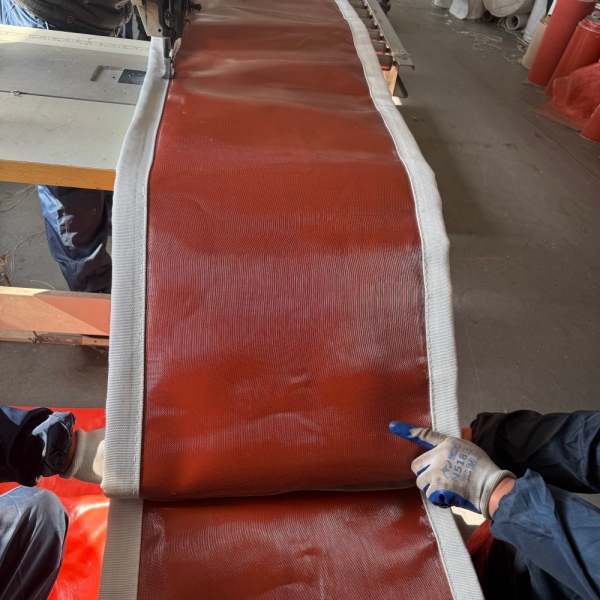
Perubahan Tekanan Negatif: Seperti Apa Kebocoran Itu?
Tekanan bekerja melintasi elemen fleksibel. Ketika saluran beroperasi di bawah tekanan ambien, udara luar dapat masuk melalui kebocoran, bukan gas proses yang keluar. Akibatnya, tidak adanya gumpalan debu yang terlihat tidak membuktikan bahwa sambungan tersebut tertutup rapat.
Tekanan negatif juga dapat menarik sabuk ke dalam. Tinjauan desain harus mempertimbangkan posisinya relatif terhadap pelapis dan komponen internal lainnya, termasuk efek pergerakan saluran secara bersamaan. Sambungan yang tampak bersih pada posisi mati mungkin tidak memiliki jarak bebas yang sama saat beroperasi.
Sebutkan tanda, satuan, nilai normal, dan batas desain tekanan. Sertakan fluktuasi tekanan yang diketahui di dekat kipas atau peredam. Jelaskan getaran yang diamati daripada mengasumsikan bahwa setiap sabuk yang bergerak berperilaku normal.
Mengurangi masuknya udara mungkin merupakan tujuan perawatan, tetapi klaim peningkatan efisiensi energi kipas atau proses harus didasarkan pada pengukuran di pabrik. Penggantian kain saja tidak menjamin penghematan.
Pisahkan Suhu Proses dari Suhu Material
Aliran gas, isolasi, dan membran penyegel luar tidak selalu beroperasi pada suhu yang sama. Asambungan ekspansi kain suhu tinggidapat menggunakan kemasan termal untuk melindungi material yang memberikan fleksibilitas dan penyegelan gas.
Pemilihan material harus menetapkan fungsi untuk setiap komponen. Serat kaca dapat memberikan penguatan; kain berlapis silikon atau konstruksi berbasis PTFE dapat berfungsi sebagai penutup fleksibel atau lapisan penyegel; tekstil silika dan insulasi yang sesuai dapat memberikan perlindungan termal tambahan jika diperlukan. Kesesuaiannya bergantung pada paparan aktual dan konstruksi keseluruhan.
Tidak ada "bahan pelapis pabrik semen" universal yang dapat mengatasi suhu, komposisi kimia, abrasi, dan pergerakan secara bersamaan. Pemilihan pelapis harus mempertimbangkan media proses dan kelembapan atau kondensat apa pun, bukan hanya nilai ketahanan panas yang dipublikasikan.
Untuk tinjauan termal, sertakan suhu normal, suhu dan durasi ekskursi maksimum, kondisi start-up dan shutdown, serta susunan insulasi saluran yang ada. Jangan menutupi sambungan ekspansi dengan insulasi eksternal tambahan kecuali desain yang disetujui mengizinkannya. Perubahan disipasi panas dapat mengubah suhu elemen fleksibel.
Periksa sambungan pada posisi pergerakannya
Sambungan ekspansi kain dapat mengakomodasi pergerakan ke berbagai arah bila dirancang untuk kombinasi yang ditentukan. Desain harus mengidentifikasi kompresi aksial, ekstensi aksial, pergerakan lateral di kedua arah transversal, dan perpindahan sudut. Nyatakan pergerakan mana yang terjadi bersamaan.
Pisahkan posisi pemasangan dingin dari perpindahan operasional. Offset permanen, pengaturan awal yang disengaja, dan gerakan siklik bukanlah entri yang dapat dipertukarkan pada sebuah gambar.
Untuk saluran udara berbentuk persegi panjang, mintalah detail sudut dan tinjauan keliling lengkapnya. Dimensi bukaan saja tidak menentukan sabuk, geometri penjepitan, atau jarak bebas liner yang tersedia. Panduan kami untuksambungan ekspansi kain persegi panjang untuk saluran udara industrimencakup pertimbangan dimensi ini.
Insinyur pabrik juga harus memastikan bahwa susunan sambungan dan penyangga di sekitarnya sesuai. Spesifikasi sambungan ekspansi tidak boleh bergantung pada fleksibilitas bahan untuk mengkompensasi pergerakan struktural yang tidak teridentifikasi.
Bacalah Pola Kerusakan Sebelum Mengubah Spesifikasi
Gunakan temuan inspeksi untuk merumuskan pertanyaan, bukan diagnosis instan. Contoh-contoh di bawah ini adalah pemicu investigasi, bukan bukti mekanisme kegagalan tertentu.
| Kondisi yang diamati | Informasi yang perlu dikumpulkan | Jangan berasumsi |
|---|---|---|
| Keausan terkonsentrasi di samping tepi lapisan dalam. | Foto-foto area kontak, kondisi lapisan pelindung, dan jarak bebas dalam amplop pergerakan yang telah disetujui. | Kain dengan suhu lebih tinggi akan menghilangkan kontak mekanis. |
| Material yang dikemas di dalam rongga sambungan | Lokasi deposit, kondisi perlindungan internal, arah aliran, dan bukti adanya pembatasan pergerakan. | Rongga tersebut harus diisi dengan insulasi tambahan. |
| Perubahan warna atau kerusakan lokal | Riwayat pengoperasian, catatan perjalanan, kondisi isolasi, dan setiap perubahan pada penutup luar. | Dari penampilannya saja sudah membuktikan bahwa gas tersebut melebihi suhu yang ditentukan. |
| Sobekan berulang di dekat salah satu sudut atau penjepit. | Geometri saat ditemukan, permukaan penjepit, offset dingin, data pergerakan, dan perbaikan sebelumnya. | Penggantinya seharusnya lebih lebar atau lebih tebal. |
Catat kapan kerusakan pertama kali muncul dan apa yang berubah sebelumnya. Kondisi pengoperasian yang dimodifikasi harus ditinjau secara eksplisit dan tidak disembunyikan di dalam pesanan ulang untuk nomor suku cadang sebelumnya.
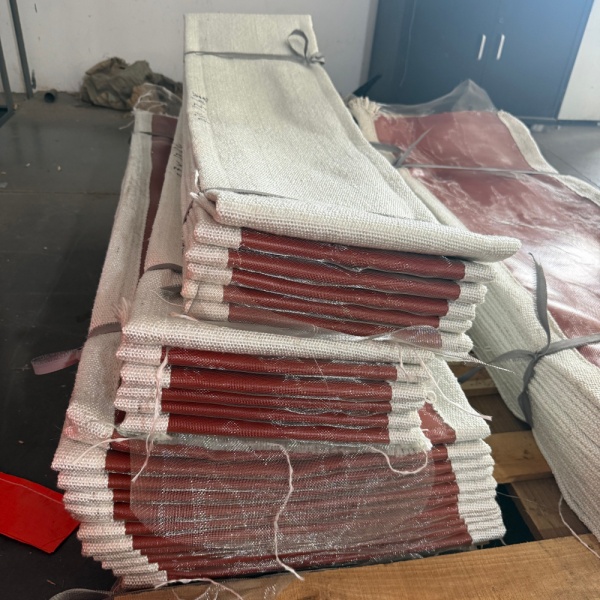
Perlakukan Penggantian Saat Penghentian Operasi sebagai Paket Pekerjaan yang Terdefinisi.
Sebelum pemadaman terencana, pisahkan cakupan pasokan menjadi elemen fleksibel, perlindungan internal, dan pengerjaan logam. Nyatakan apakah pesanan hanya mencakup penggantian sabuk, sabuk dengan isolasi atau komponen pengontrol akumulasi, atau rakitan lengkap.
Konfirmasikan akses sebelum memilih bentuk pengiriman. Sabuk tertutup, sabuk terbuka yang memerlukan penutupan lokasi yang disetujui, dan perakitan modular memiliki persyaratan pemasangan yang berbeda. Sepakati petunjuk penyambungan, aksesori, persiapan lubang, dan tanggung jawab pekerjaan di lokasi sebelum pengiriman.
Untuk sambungan yang sudah ada, bedakan jarak pemasangan yang diukur dari dimensi akhir sabuk pengganti. Gunakan gambar dan catatan survei yang disetujui—bukan hanya dimensi komponen yang aus. LihatCara mengukur dan menentukan spesifikasi sambungan ekspansi kain pengganti.untuk prosedur survei yang lebih rinci.
Inspeksi keselamatan:Inspeksi atau pembongkaran langsung memerlukan penghentian operasi yang diizinkan, isolasi, suhu aman, pelepasan tekanan, dan akses yang sesuai. Terapkan izin lokasi dan prosedur ruang terbatas jika relevan. Jangan melonggarkan sambungan saluran udara yang masih aktif atau mengganggu endapan tanpa rencana kerja yang disetujui.
Setelah menerima barang, periksa cakupan dan identifikasi yang diberikan terhadap dokumen yang disetujui. Atasi komponen yang hilang atau instruksi pemasangan yang kurang jelas sebelum pemadaman dimulai.
Apa yang Harus Dikirim Bersama Permintaan Penawaran (RFQ) Sambungan Ekspansi Pabrik Semen?
Pertanyaan yang bermanfaat menghubungkan label peralatan dengan kondisi pengoperasian dan gambarnya. Siapkan satu catatan per sambungan daripada menggabungkan tugas yang berbeda di bawah satu spesifikasi umum.
Lokasi dan media.Identifikasi saluran, pemanas awal, pendingin, sambungan pemulihan panas, pengumpul debu, atau kipas yang terkait dengan tungku. Sertakan komposisi gas, kelembapan, informasi partikulat, arah aliran, dan data kecepatan yang tersedia.
Batas operasi.Cantumkan suhu normal dan suhu desain, penyimpangan beserta durasinya, tekanan positif atau negatif, fluktuasi yang diketahui, dan mode operasi yang relevan dengan sambungan tersebut.
Geometri dan pergerakan.Lampirkan gambar sambungan, referensi pemasangan, detail flensa, susunan liner, pengaturan awal dingin (jika berlaku), dan persyaratan pergerakan yang dinyatakan secara terpisah. Tandai dimensi yang belum terpecahkan dan nilai yang tidak diketahui dengan jelas.
Lingkup pasokan dan pemadaman.Sebutkan jumlah, komponen yang diusulkan untuk digunakan kembali, bentuk pengiriman yang diminta, batasan akses, tanggal pengiriman yang dibutuhkan, dan jangka waktu penghentian operasional yang direncanakan. Sertakan foto dan riwayat servis untuk penggantian.
Mintalah penawaran yang mencantumkan konstruksi yang diusulkan, komponen yang disertakan, asumsi, dan informasi yang masih diperlukan untuk persetujuan. Harga yang lebih rendah bukanlah perbandingan yang setara jika persyaratan pelapis, insulasi, atau penutupan lokasi berbeda.
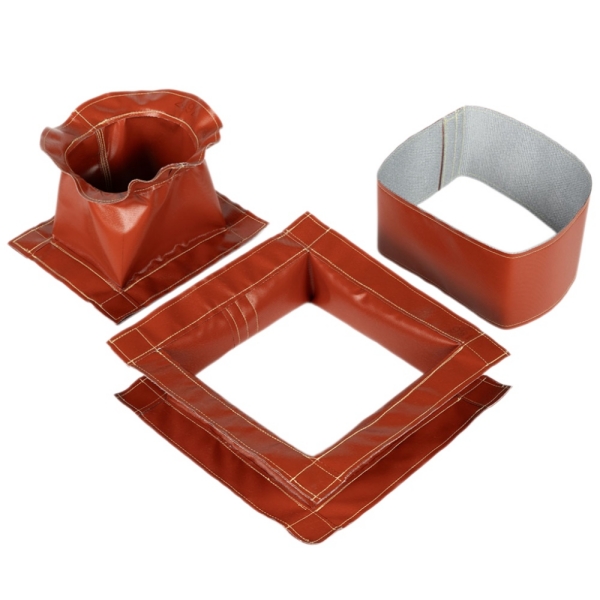
Sambungan Ekspansi Kain Kustom untuk Saluran Udara Semen
BSTFLEX menawarkan bentuk bulat, persegi panjang, dan sesuai pesanan.sambungan ekspansi kain non-logamuntuk sistem saluran industri. Sabuk fleksibel dan rakitan khusus aplikasi dapat dievaluasi dari gambar pelanggan, dimensi, dan kondisi pengoperasian.
Untuk proyek pabrik semen, kirimkan lokasi sambungan dan data proses secara bersamaan. Saluran pembuangan preheater, sambungan pendingin klinker, dan saluran masuk kipas tidak boleh dianggap sama hanya karena ketiganya termasuk dalam jalur produksi yang sama.
Tujuan pembelian adalah sambungan yang sesuai dengan koneksi yang disetujui, mengakomodasi pergerakannya, dan terlindungi dari paparan proses sebenarnya—bukan hanya sabuk dengan label suhu yang lebih tinggi.
Minta Penawaran Sambungan Ekspansi Kain untuk Pabrik Semen Anda