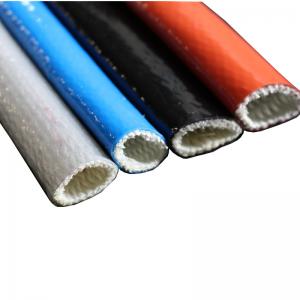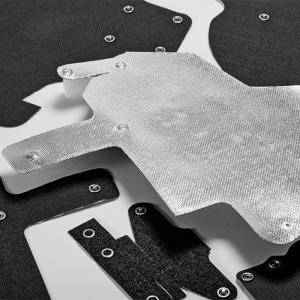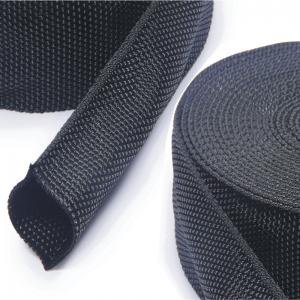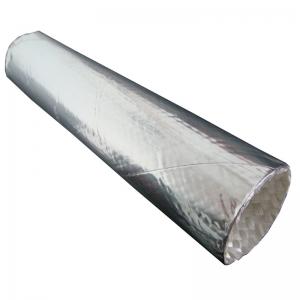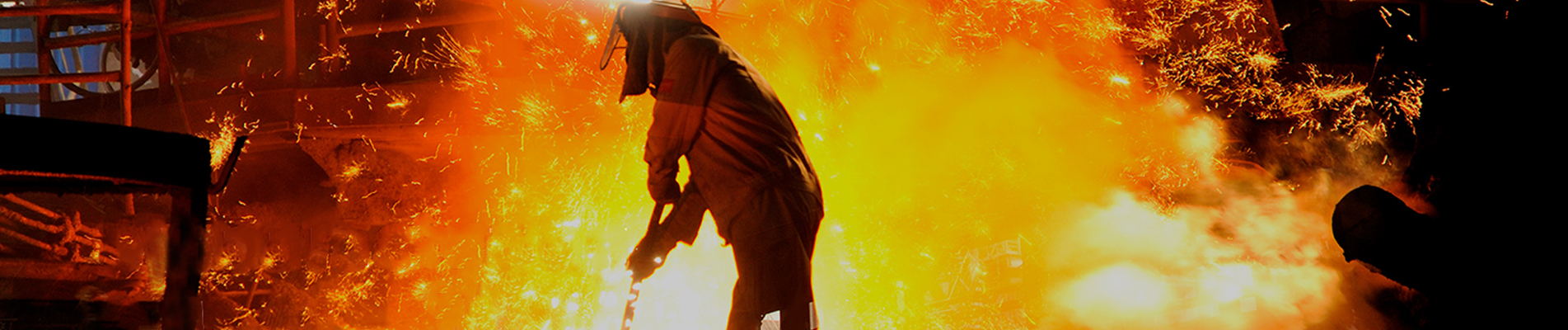
BSTFLEX vermiculite coated silica cloth uses a 96% silica fabric base. For buyers already satisfied with the heat capability of a silica textile, the reason to evaluate this finish is often mechanical: the cloth needs to survive fabrication, installation and maintenance as well as its thermal exposure.
That makes the condition of an existing part a useful starting point. Is the surface wearing thin? Are cut edges coming apart before sewing? Does damage appear beside a fastener? Those observations help determine whether a coating trial is worthwhile or whether the component needs a different construction.
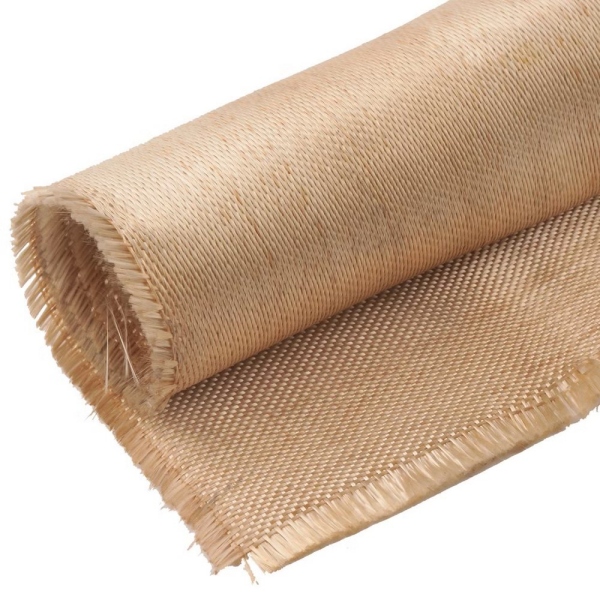
A vermiculite treatment adds a protective mineral-containing finish to the woven fabric. It does not replace the silica yarns, change their silica content or turn the cloth into a rigid insulation board.
Reduced fraying can be a benefit of suitably formulated vermiculite treatments. For a fabricator, however, the useful question is whether the particular cloth cuts and feeds through production more consistently. Do not assume that every finish provides the same result, or that easier cutting also proves higher tear strength.
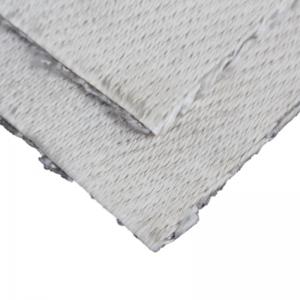
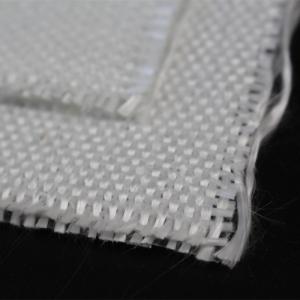
Inspect a sample for its coating coverage, handling characteristics and condition after bending. Compare the face of the cloth with its cut edge. A surface that looks uniform while lying flat still needs to be evaluated in the folds and seams used in the finished part.
A rubbed or fuzzy face. This is a useful location for an abrasion comparison. Record what touches the fabric, how often contact occurs and whether the rubbing happens while hot. Compare treated and untreated samples under matching conditions. Also inspect the contacting component: a coating should not be used as the sole answer to an exposed sharp edge.
A loose cut edge. Check the cutting method and the amount of handling before the edge is enclosed. Evaluate whether the treated fabric retains a workable edge through the actual production sequence. Keep the intended hem or edge binding in the trial; a favorable result on a small flat swatch does not establish that edge finishing can be omitted.
A tear beside an eyelet, seam or fixing point. Start by reviewing how the load enters the fabric. Consider reinforcement, attachment spacing and local movement before changing the coating. Improved surface wear resistance would not, by itself, demonstrate that the attachment can carry the required load.
These observations are screening clues, not a complete failure diagnosis. Their value is that they turn a general request for “more durable silica cloth” into a specific property that can be compared.
A useful trial isolates the change being evaluated. Comparing a lightweight untreated cloth with a much heavier coated cloth cannot show how much of the difference comes from the coating.
Where practical, request samples with matching silica content, weave and base-fabric weight. Ask the supplier to distinguish the base weight from the finished coated weight. Record any differences that cannot be matched rather than attributing every improvement to the surface treatment.
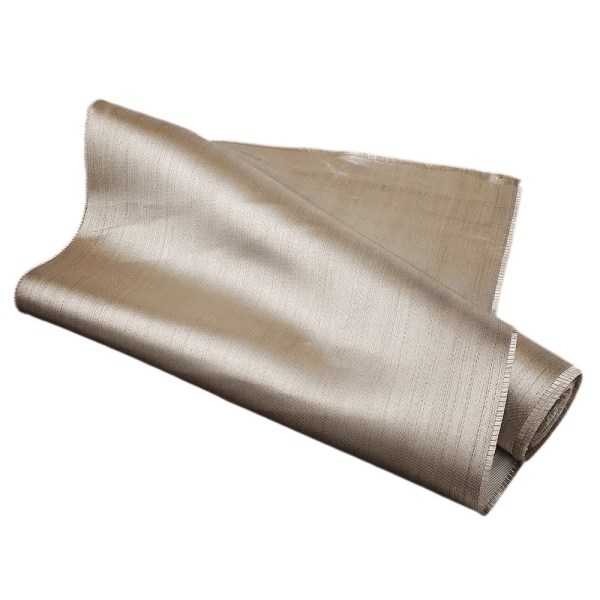
The specification should also identify which faces are treated. Do not infer a one-sided or two-sided construction from a photograph. For production approval, use the coating arrangement that will actually be supplied.
Keep abrasion resistance, tear strength and seam performance as separate acceptance items. A sample can perform well in one comparison without establishing its suitability for the others.
Instead of approving the finish by appearance alone, follow a piece of fabric from cutting to a representative assembled section.
Use the intended cutting tool and a representative pattern. Include an edge, notch or small opening that normally creates difficulty. Observe yarn movement and edge condition after transferring the cut piece to the next operation. Record material loss or rework only where it is actually measured.
Make the intended seam using the proposed thread, stitch arrangement and reinforcement. Check feeding, puckering, coating condition along the fold and the fabric beside the stitching. Where the part has overlapping layers, evaluate the full stack rather than a single sheet.
Fit the sample around the relevant geometry, including its tightest fold and attachment details. For a removable component, repeat the planned removal and refitting sequence. Any hot-service evaluation should be conducted under controlled conditions appropriate to the application, by inspection after cooling.
Agree on acceptance criteria before the trial. Photographs, recorded dimensions and consistent inspection points are more useful than an undocumented judgement that one sample “feels stronger.” These are proposed evaluation steps, not claims of completed testing.
BSTFLEX lists welding protection and removable jackets among the applications for its vermiculite-treated silica cloth. The component design should determine what evidence is needed.
For a welding curtain or blanket, specify its orientation, distance from the operation and the type of hot-work exposure. Include the finished edges and suspension or fixing details in the assessment. A fabric temperature rating alone does not approve the complete product for a particular spark, slag or molten-metal exposure. Where certification is required, request documentation covering the exact construction and intended use.
For a removable insulation jacket, identify where the fabric sits in the assembly and which areas are handled during maintenance. Evaluate seams, fastener locations and folds after the relevant service exposure. The coating trial should answer whether the selected fabric remains suitable for removal and refitting, rather than merely whether an unused sample is easy to fold.
Keep thermal approval separate from the mechanical comparison. The silica fabric temperature-rating guide explains why continuous exposure, short-duration events and the limits of individual layers need to be distinguished.
The vermiculite coated silica fabric product range lists the following nominal constructions:
| Fabric weight | Thickness | Width |
|---|---|---|
| 620 g/m² | 0.75 mm | 920 mm |
| 1220 g/m² | 1.30 mm | 920 mm |
Use these catalogue values to identify a sample, then confirm tolerances, usable width, roll length and the required coating arrangement in the quotation. Neither weight nor thickness is a measured abrasion result.
For a stationary component with no identified surface-wear problem, uncoated 96% silica fabric should remain in the comparison. Specify the treated version when the coating provides a demonstrated benefit for the part, not simply because an additional finish sounds more protective.
“Vermiculite coated” is not a complete performance specification. It does not establish a guaranteed service-life increase, a particular residual strength after heating, zero shrinkage, liquid tightness or a certified fire-barrier rating. Each required property needs evidence for the selected fabric or finished assembly.
For repeat orders, retain an approved reference sample and record the agreed material description, dimensions, finish and acceptance criteria. Ask that any proposed change in the base fabric or coating formulation be identified before supply. This makes sample approval usable as a purchasing requirement rather than a one-time visual comparison.
The most useful inquiry includes a drawing or photograph of the component and a description of where damage occurs. Add the required weight, thickness, usable width, quantity, heat exposure and fabrication method. An image of a worn edge or attachment area may help clarify the requirement more effectively than a request for the “best” coating.
For other surface-treatment options, refer to the silica fabric material-selection overview.
Contact BSTFLEX about vermiculite coated silica cloth with the part details and sample requirements. Specify the problem the finish needs to solve, and use the approved trial construction as the basis for quotation and production supply.

 English
 français
 Deutsch
 русский
 italiano
 español
 português
 Nederlands
 العربية
 日本語
 한국의
 Türkçe
 Polski
 Tiếng Việt
 slovenský