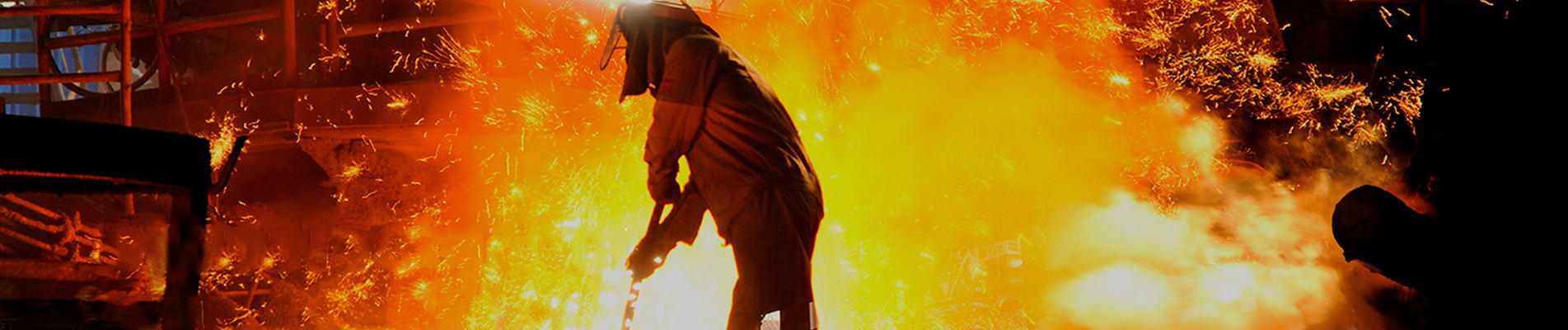
Selang hidrolik sudah terhubung, diarahkan melalui mesin, dan ditahan pada posisinya. Tinjauan pemeliharaan berikutnya mengidentifikasi bagian yang memerlukan perlindungan abrasi tambahan. Menggeser selongsong berbentuk tabung di atas rakitan tersebut mungkin memerlukan akses yang tidak disediakan oleh pemasangan tersebut.
Selongsong selang nilon model bungkus adalah penutup tekstil yang dapat dilepas yang terbuka di sepanjang panjangnya dan menutup di sekeliling selang atau bundel selang yang dapat diakses.Penutup hook-and-loop-nya memungkinkan perlindungan eksternal ditambahkan tanpa harus melewati selongsong di atas fitting ujung. Untuk pekerjaan retrofit, pertanyaan pemilihannya bukan sekadar kain nilon mana yang akan digunakan. Melainkan apakah bungkus yang sudah jadi dapat menutupi zona keausan, menutup dengan benar, dan tetap dapat diakses untuk pemeriksaan.
BSTFLEX Ballistic Nylon Hose Wrap Sleevemenggabungkan kain nilon dengan penutup hook-and-loop untuk perlindungan selang yang berfokus pada abrasi. Panduan ini menjelaskan apa yang harus ditentukan saat menambahkan jenis perlindungan tersebut ke pemasangan hidrolik yang sudah ada.
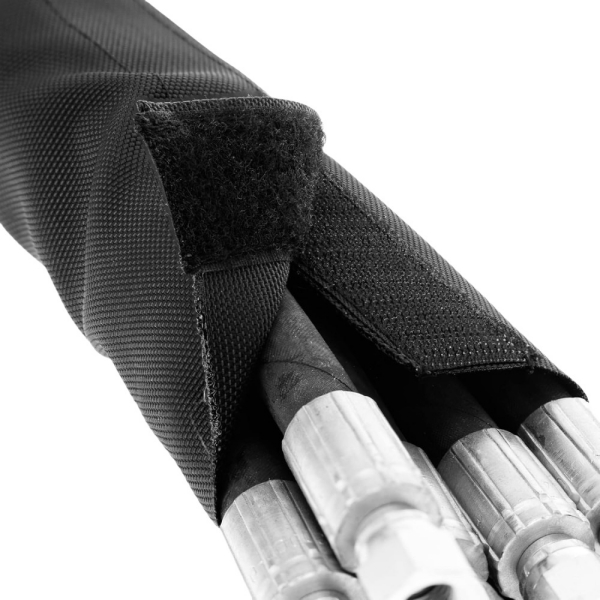
Pertimbangkan konstruksi model bungkus saat ujung selang sudah terhubung, akses di belakang fitting terbatas, atau bagian yang dilindungi perlu dibuka selama pemeliharaan terjadwal. Ini juga bisa berguna jika hanya bagian lokal yang memerlukan penutup daripada seluruh panjang rakitan.
Sebuah tubular nylon hose sleevetetap menjadi pilihan di mana terdapat akses ujung yang sesuai, termasuk selama perakitan. Perbedaan praktisnya adalah jalur pemasangan: selongsong berbentuk tabung harus melewati apa pun yang ada di jalurnya, sementara selongsong model bungkus dibawa mengelilingi bagian luar dari bagian yang dipilih.
Tidak ada konstruksi yang memperbaiki jalur selang yang buruk. Sebelum menambahkan penutup, identifikasi apakah kontak berasal dari selang yang berdekatan, braket, tepi kasar, atau bentangan yang tidak tertopang. Perbaiki kondisi jalur dan penyangga yang merusak terlebih dahulu. Gunakan selongsong sebagai lapisan abrasi tambahan, bukan sebagai pengganti pemasangan selang yang tepat.
Retrofit tidak berarti pemasangan pada sistem yang sedang beroperasi.Sebelum mengukur, memasang, atau membuka selongsong, ikuti prosedur pemadaman, isolasi, dan depresurisasi dari produsen peralatan, termasuk pengendalian energi tersimpan.
Untuk satu selang, catat diameter luar yang sebenarnya. Ukuran lubang selang nominal atau ukuran dash tidak menggambarkan permukaan luar yang harus ditutupi oleh bungkus. Untuk bundel, ukur profil luar keseluruhannya dalam pengaturan jalur yang disetujui daripada menambahkan ukuran nominal selang individu.
Sebagai contoh, selang bulat dengan diameter luar 40 mm memiliki keliling sekitar 126 mm. Itu adalah contoh geometris, bukan lebar selongsong yang disarankan atau ukuran stok BSTFLEX. Bungkus yang sudah jadi juga harus mengakomodasi tata letak penutupnya, konstruksi tepi, dan kelonggaran ukuran yang diperlukan.
Dimensi berikut harus diidentifikasi secara terpisah pada gambar atau penawaran:
| Dimensi atau Persyaratan | Apa yang Harus Dikonfirmasi |
|---|---|
| Ukuran luar selang atau bundel | Diameter luar selang yang sebenarnya, atau profil dan keliling bundel pada bagian yang dilindungi. |
| Lebar jadi terbuka | Lebar bungkus yang sudah jadi saat dibuka, dengan pernyataan yang jelas apakah strip penutup dan tepi yang sudah jadi disertakan. |
| Ukuran tertutup efektif | Keliling internal yang dapat digunakan atau rentang ukuran yang disarankan dengan penutup terpasang sebagaimana ditentukan. |
| Pemasangan penutup | Lebar strip hook-and-loop, lokasi, dan pemasangan yang diperlukan dalam rakitan tertutup. |
| Panjang cakupan | Bagian yang akan dilindungi, dengan posisi ujung ditandai relatif terhadap klem, fitting, dan titik servis. |
Jangan gunakan lebar terbuka dari bungkus seolah-olah itu adalah lebar datar dari selongsong berbentuk tabung yang tertutup. Keduanya adalah konstruksi yang berbeda. Minta pemasok untuk mengonfirmasi rentang ukuran pas jadi untuk desain yang diusulkan, terutama saat mengganti selongsong dari sumber lain.
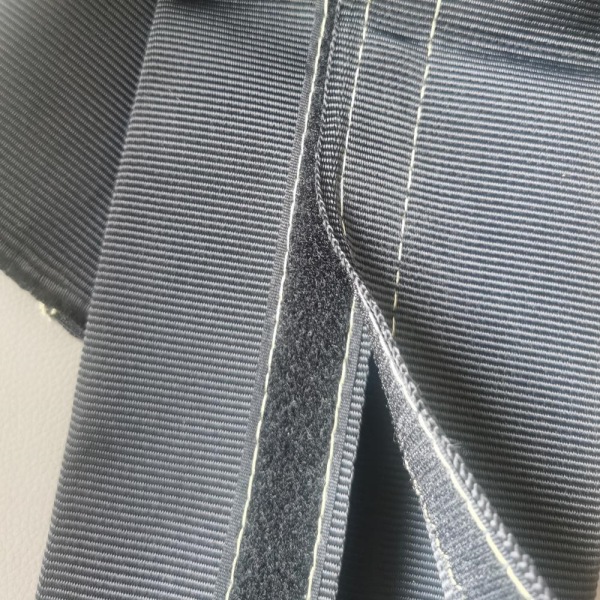
Selongsong selang hook-and-loop membutuhkan lebih dari sekadar kain yang cukup untuk melingkari selang. Kedua sisi penutup harus terpasang dengan benar di sepanjang panjang yang dimaksudkan. Jika keduanya hampir tidak bertemu pada rakitan stasioner, ukuran pas harus ditinjau sebelum disetujui.
Selama evaluasi sampel, periksa penutup pada tikungan, dekat cabang, dan di sekitar perubahan bentuk bundel. Cari celah lokal, lipatan, strip pengait yang terbuka, atau bagian yang harus ditarik bersama di bawah tegangan. Hindari penggunaan kekencangan yang berlebihan untuk menahan beberapa selang dalam bundel yang terlihat lebih rapi.
Di mana pemasangan memungkinkan, posisikan penutup menjauh dari permukaan gesekan utama sambil tetap membuatnya dapat diakses untuk pemeliharaan. Konfirmasikan orientasi ini melalui pergerakan yang dimaksudkan menggunakan prosedur pemeriksaan aman dari produsen peralatan. Posisi yang terlihat cocok saat diam mungkin tidak tetap aman di seluruh rentang pengoperasian.
Jaga agar permukaan pengencang bebas dari kotoran dan periksa saat bungkus dibuka. Jangan berasumsi bahwa setiap bagian yang terlihat tertutup memiliki pemasangan yang memadai. Jika penutup tidak lagi menahan sebagaimana mestinya, selidiki kontaminasi, keausan, dan ukuran daripada memperlakukan pengikat eksternal tambahan sebagai perbaikan otomatis.
Beberapa selang mungkin berbagi jalur tanpa bergerak dengan cara yang persis sama. Sebelum menentukan satu selongsong umum, mintalah insinyur yang bertanggung jawab untuk mengonfirmasi bahwa pengelompokan yang diusulkan sesuai untuk pergerakan, suhu, dan persyaratan servisnya.
Bungkus luar umum tidak menempatkan lapisan pelindung di antara setiap selang di dalamnya. Jika kontak antar selang di dalam bundel adalah sumber keausan, atasi pemisahan internal atau perlindungan individu sebagai bagian dari tinjauan jalur.
Untuk bundel yang tidak beraturan, kirimkan sketsa penampang melintang dan foto pemasangan. Tandai titik cabang dan lokasi klem yang ada. Di mana bundel terpisah atau berubah ukuran secara substansial, evaluasi bagian selongsong terpisah daripada memaksakan satu bungkus kontinu agar pas dengan setiap bagian jalur.
Sebuah selongsong selang hidrolik yang dapat dilepas harus tetap memberikan akses ke rakitan yang dilindunginya. Tentukan di mana selongsong tersebut dapat dibuka, penandaan mana yang harus tetap dapat diakses, dan apakah teknisi pemeliharaan dapat memasang kembali penutupnya dengan benar setelah pemeriksaan.
Evaluasi pembungkus pada rakitan yang representatif, bukan hanya pada sampel selang lurus di meja kerja. Uji coba harus mencakup posisi klem yang dituju, ruang terbatas, tekukan, dan akses servis.
Sebelum pemasangan: periksa selang dan perbaiki keausan, kebocoran, atau cacat perutean yang tidak dapat diterima sesuai prosedur produsen peralatan. Penutup baru tidak boleh digunakan untuk menyembunyikan selang yang rusak.
Dengan pembungkus terpasang: periksa cakupan, pemasangan penutup, jarak bebas, dan akses. Pastikan selongsong tidak memaksa tekukan menjadi lebih tajam, menarik sambungan, mengganggu klem, atau menghalangi komponen bergerak lainnya. Gunakan hanya pengaturan penahan ujung yang disepakati; pembungkus bukanlah penyangga selang struktural atau tali pengangkat.
Setelah uji coba yang disetujui: periksa adanya pergeseran, pembukaan penutup, dan keausan terkonsentrasi. Catat di mana kontak terjadi dan apakah area yang dilindungi tetap tertutup. Pilih interval pemeriksaan berdasarkan risiko aplikasi dan persyaratan pemeliharaan, alih-alih berasumsi adanya periode penggantian selongsong yang universal.
Nama pembungkus selang nilon balistik dengan sendirinya tidak menentukan ukuran benang, berat kain, pelapis, jahitan, kinerja penutup, atau suhu servis. Untuk pesanan berulang, sepakati konstruksi dan dimensi akhir alih-alih hanya mengandalkan nama produk.
Saat membandingkan sampel, mintalah informasi abrasi yang relevan dan periksa fleksibilitas, penyelesaian tepi, dan pemasangan penutup. Bandingkan hasil pengujian hanya jika metode, pembebanan, permukaan kontak, dan titik akhir sebanding. Hasil dari satu kain atau selongsong lengkap tidak boleh dikaitkan dengan konstruksi lain.
Nyatakan suhu yang diharapkan dan kontak apa pun dengan cairan hidrolik, bahan pembersih, atau cuaca luar ruangan. Kesesuaian harus diperiksa untuk rakitan akhir, termasuk pelapis, jahitan, dan pengencang apa pun. Pembungkus abrasi nilon tidak boleh dianggap sebagai selongsong tahan api hanya karena digunakan pada selang hidrolik.
Demikian pula, perlindungan abrasi berbeda dari penahanan ledakan hidrolik atau perlindungan kebocoran lubang jarum. Tugas-tugas tersebut memerlukan bukti khusus aplikasi untuk sistem pelindung. Istilah nilon balistik bukanlah bukti perlindungan balistik personel, dan pembungkus bukanlah perbaikan berperingkat tekanan untuk saluran yang bocor.
Sampel retrofit yang berhasil adalah titik awal untuk pasokan berulang. Catat lebar akhir, ukuran tertutup yang efektif, pengaturan penutup, panjang yang dilindungi, penyelesaian tepi, dan identifikasi apa pun yang disepakati. Simpan detail tersebut bersama gambar yang disetujui atau sampel referensi.
Untuk pemeliharaan armada atau produksi peralatan, bedakan konfigurasi yang diperlukan berdasarkan nomor komponen atau pengenal lain yang disepakati. Tentukan apakah material akan dipasok untuk pemotongan lokal atau sebagai panjang akhir, dan konfirmasikan metode pemotongan serta penyelesaian tepi. Warna, penandaan, pengemasan, jumlah pesanan minimum, dan waktu tunggu harus disepakati untuk konstruksi yang dipilih.
BSTFLEX mendukung tinjauan aplikasi dan pengembangan sampel melalui layanan manufaktur OEM dan kustom. Untuk pertanyaan mengenai pembungkus selang nilon kustom, berikan dimensi penutup yang diperlukan dan kondisi pemasangan agar proposal dapat dievaluasi terhadap rakitan yang sebenarnya.
Desain melingkar dapat ditempatkan di sekitar bagian selang yang dapat diakses tanpa harus melewati sambungannya. Masih harus ada cukup ruang untuk memosisikan kain dan memasang penutup. Persyaratan isolasi dan depresurisasi tetap tidak berubah.
Tidak. Pilih dalam rentang ukuran tertutup yang direkomendasikan pemasok. Pembungkus yang terlalu besar mungkin menyisakan kelebihan material, sementara yang terlalu kecil mungkin mencegah pemasangan penutup yang ditentukan. Konfirmasikan kecocokan pada selang atau bundel yang sebenarnya.
Konstruksi kait-dan-loop memungkinkan pembukaan kembali. Kembalikan ke layanan hanya jika kain, tepi, jahitan, dan penutup tetap sesuai dan kecocokan yang disetujui dapat dipulihkan. Kemampuan untuk digunakan kembali bukanlah jaminan masa pakai yang tidak terbatas.
Untuk pertanyaan mengenai Selongsong Pembungkus Selang Nilon Balistik BSTFLEX, kirimkan diameter luar selang atau profil bundel, panjang cakupan, foto perutean, lokasi abrasi, suhu servis, dan paparan cairan yang diharapkan. Sertakan jumlah sampel, jumlah produksi, penandaan, pengemasan, dan persyaratan pengiriman.
Hubungi BSTFLEX dengan gambar atau persyaratan pemasangan Anda. Untuk aplikasi yang melibatkan kebutuhan perlindungan berbeda di seluruh satu mesin, gunakan halaman pemilihan perlindungan selang hidrolik untuk membandingkan konstruksi produk yang relevan.

 English
 français
 Deutsch
 русский
 italiano
 español
 português
 Nederlands
 العربية
 日本語
日本語 한국의
한국의 Türkçe
 Polski
 Tiếng Việt
 slovenský